What Are Fungal Infections?
Fungal infections are caused by fungi—microscopic organisms that can be found in the air, soil, and on various surfaces, including your skin. While many fungi are harmless, some can cause infections if they invade the body. Fungal infections can affect different parts of the body, including the skin, nails, lungs, and even the bloodstream.
These infections are generally not contagious through casual contact, but they can spread in moist, warm environments. Fungal infections are more common in people with weakened immune systems, but anyone can get one.
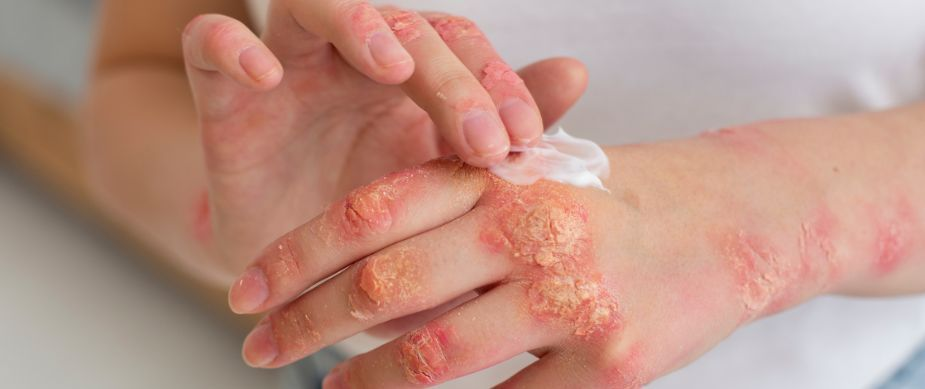
What Causes Fungal Infections?
Fungal infections occur when fungi grow excessively on or in the body. This overgrowth can be triggered by several factors:
- Weakened immune system: People with conditions like HIV/AIDS, cancer, or those on immunosuppressive medications are more prone to fungal infections
- Moisture: Fungi thrive in warm, damp environments, so areas like the feet, groin, or armpits are especially vulnerable
- Poor hygiene: Not cleaning and drying the skin properly can create an ideal environment for fungal growth
- Antibiotic use: Taking antibiotics for long periods can alter the balance of good bacteria in the body, promoting fungal overgrowth
- Chronic health conditions: Diabetes, obesity, and other conditions can increase the risk of fungal infections
- Close contact with infected individuals or environments: For example, sharing towels or footwear, or being exposed to fungi in places like gyms, swimming pools, or locker rooms
Common types of fungi responsible for infections include Candida, Aspergillus, and Dermatophytes.
What Are the Symptoms of Fungal Infections?
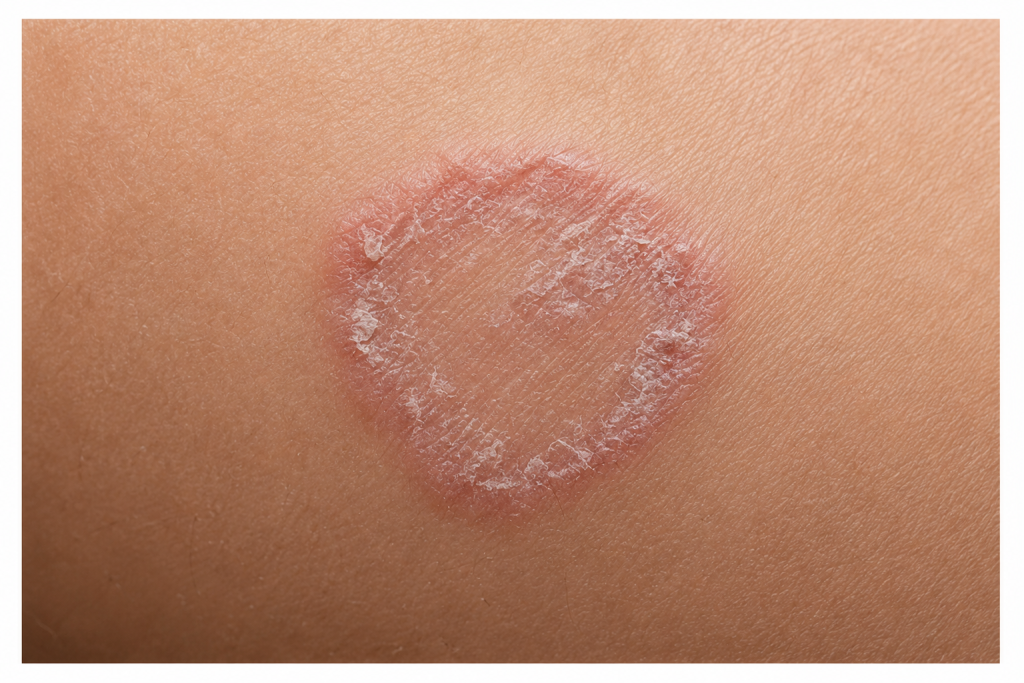
Symptoms vary depending on the location and severity of the infection, but common symptoms include:
- Skin infections (e.g., athlete’s foot, ringworm, yeast infections):
- Red, itchy patches of skin
- Rash or flaky, scaly skin
- Cracking or peeling skin
- Blisters or pustules
- Burning or stinging sensations
- Nail infections (e.g., onychomycosis):
- Discolored, thickened, or brittle nails
- Nails that separate from the nail bed
- Crumbling edges or texture changes in the nail
- Oral infections (e.g., thrush):
- White, creamy lesions in the mouth or throat
- Pain while swallowing
- Soreness or dryness in the mouth
- Respiratory infections (e.g., fungal pneumonia):
- Coughing or wheezing
- Shortness of breath
- Chest pain or discomfort
- Fever and chills
In more severe cases, especially when the infection spreads to internal organs or the bloodstream, symptoms can be more intense and include fever, fatigue, and widespread pain.
How Are Fungal Infections Diagnosed?
To diagnose a fungal infection, healthcare providers typically:
- Review your medical history and symptoms
- Perform a physical exam to inspect visible signs, such as skin rashes or nail changes
- Take a sample of the affected tissue (skin scraping, nail clipping, or throat swab) to examine under a microscope
- Culture the sample in a lab to identify the specific fungus causing the infection
- Blood tests may be ordered in severe cases, such as when the infection has spread internally
For skin infections, a simple examination or laboratory test may be enough to make a diagnosis, but more invasive infections may require imaging or blood work.
How Are Fungal Infections Treated?
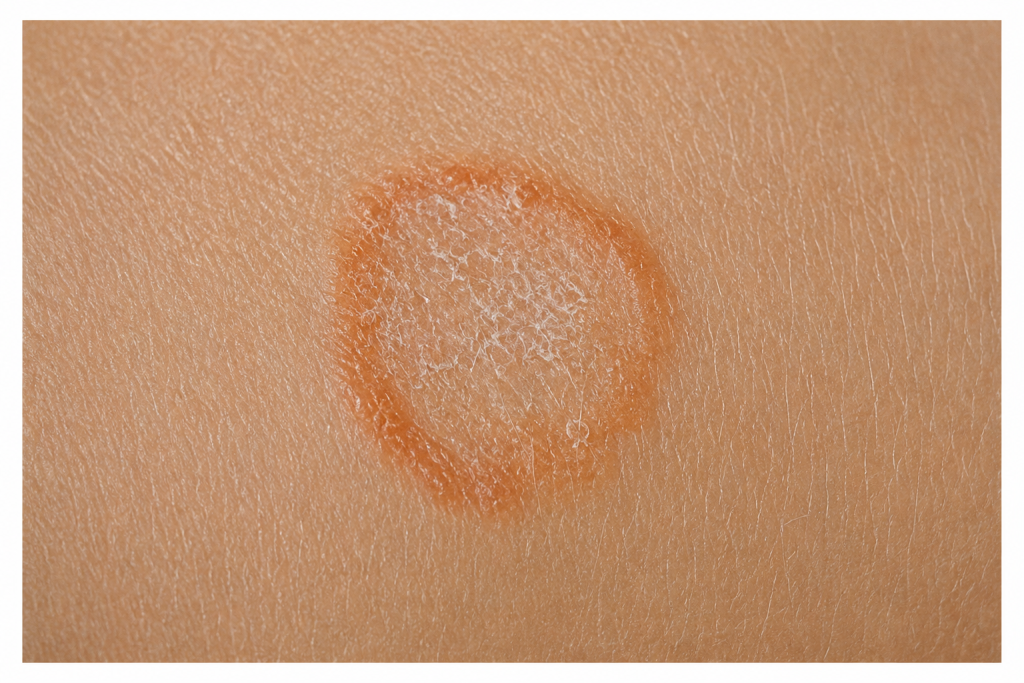
Treatment for fungal infections depends on the location, type of infection, and severity:
- Topical antifungals: Creams, ointments, or sprays are often used to treat skin, nail, or vaginal infections (e.g., clotrimazole, terbinafine, or miconazole)
- Oral antifungals: For more widespread or severe infections, oral medications like fluconazole or itraconazole may be prescribed
- Antifungal shampoos: For scalp infections, medicated shampoos containing ketoconazole may be recommended
- Intravenous antifungals: In severe, systemic infections, intravenous antifungal medications may be necessary
It’s important to complete the full course of antifungal treatment, even if symptoms improve, to prevent the infection from returning. In chronic cases or recurring infections, lifestyle changes (like improving hygiene and avoiding moisture) may be recommended.
Can Fungal Infections Be Prevented?
While fungal infections can’t always be completely avoided, there are several steps you can take to reduce your risk:
- Keep skin clean and dry: Wash the skin regularly and dry thoroughly, especially between the toes and other skin folds
- Wear moisture-wicking socks and breathable footwear: Avoid damp shoes or socks, and wear shoes in public places like gyms, swimming pools, or locker rooms
- Avoid sharing personal items: Don’t share towels, razors, or shoes, as this can spread fungi
- Use antifungal powders or sprays: Especially in areas prone to moisture, like feet or groin
- Control chronic conditions: Properly managing conditions like diabetes or obesity can help prevent fungal infections
- Boost immunity: A healthy diet, exercise, and managing stress help strengthen the immune system, making it less likely to develop fungal infections
In people who are prone to recurrent fungal infections, doctors may recommend preventative antifungal treatments.
What Is the Outlook for People with Fungal Infections?
The outlook for people with fungal infections is generally positive with proper treatment. Most superficial infections, such as athlete’s foot, ringworm, or yeast infections, respond well to antifungal treatments and clear up within a few weeks.
However, deeper or systemic fungal infections (those affecting internal organs or the bloodstream) can be more difficult to treat and may require long-term medication. In some cases, complications can arise, especially in individuals with weakened immune systems.
Overall, with early diagnosis and appropriate treatment, fungal infections are usually manageable, and recurrence can often be prevented with good hygiene and lifestyle changes.