


What is External Otitis (Swimmer’s Ear)?
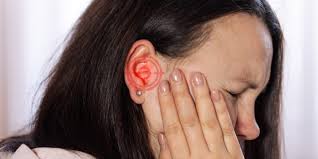
External otitis, commonly known as swimmer’s ear, is an infection or inflammation of the outer ear canal, which runs from the eardrum to the outside of the head. This condition is typically caused by bacterial or fungal infections and is most commonly associated with water exposure, hence the name “swimmer’s ear.” However, it can also occur as a result of scratching or injury to the ear canal. While it can happen to anyone, swimmer’s ear is more common in children and people who frequently swim or have wet ears.
What Causes External Otitis (Swimmer’s Ear)?
External otitis is caused by an infection in the ear canal, often due to one or more of the following factors:
1. Bacterial Infection:
- The most common cause of swimmer’s ear is a bacterial infection, particularly from the bacteria Pseudomonas aeruginosa. This bacteria thrives in warm, moist environments, making the ear canal an ideal place for infection after water exposure.
2. Fungal Infection:
- Fungal infections can also lead to external otitis, especially in hot, humid environments. These infections are less common but still significant in some cases.
3. Water Exposure:
- Water exposure, especially in swimming pools, lakes, or rivers, can cause moisture to remain in the ear canal, creating an environment where bacteria or fungi can grow. This is particularly common among swimmers, hence the term “swimmer’s ear.”
4. Ear Canal Injury or Scratching:
- Scratching the ear canal with cotton swabs, fingernails, or other objects can create small cuts or abrasions, providing an entry point for bacteria or fungi. Even cleaning the ear too aggressively can lead to irritation or injury.
5. Excessive Earwax:
- A build-up of earwax can trap moisture in the ear canal, which may encourage infection. The earwax itself may also contribute to irritation and itching.
6. Skin Conditions:
- Eczema, psoriasis, or other skin conditions that affect the ear canal can increase the likelihood of developing external otitis due to the breakdown of the skin’s protective barrier.
7. Allergic Reactions:
- Allergic reactions to things like earrings, hair products, or ear drops can irritate the ear canal, making it more susceptible to infection.

What Are the Symptoms of External Otitis (Swimmer’s Ear)?
The symptoms of external otitis can vary from mild to severe and typically include:
1. Itching in the Ear Canal:
- Itching is often the first symptom and may start as a mild irritation in the ear canal.
2. Redness Inside the Ear Canal:
- The ear canal may appear red and inflamed when examined.
3. Discomfort or Pain:
- Pain in the ear, which may increase when touching or pulling on the outer ear, is a common symptom. In some cases, pain can be severe, especially if the infection is left untreated.
4. Drainage from the Ear:
- A thick, yellow, or greenish discharge may come from the ear, especially if the infection is bacterial. The discharge may have a foul odor.
5. Fluid or Pus in the Ear:
- In more severe cases, fluid or pus may drain from the ear, signaling that the infection has progressed.
6. Hearing Loss:
- Swimmer’s ear can cause temporary hearing loss if the ear canal becomes blocked by fluid or swelling.
7. Swelling of the Lymph Nodes:
- The lymph nodes around the ear or neck may become swollen if the infection spreads.
How is External Otitis (Swimmer’s Ear) Diagnosed?
Diagnosis of external otitis is typically made through a physical examination. Your doctor may perform the following to diagnose the condition:
1. Physical Exam:
- Your healthcare provider will inspect the ear using an otoscope to look inside the ear canal for signs of inflammation, infection, or discharge. They may also gently tug on the ear to see if it causes pain.
2. Ear Swab:
- If the infection seems severe, your doctor may take a sample of the ear discharge using a cotton swab to test for bacteria or fungi.
3. Medical History:
- Your doctor will ask about your recent activities, such as swimming or ear cleaning habits, and whether you’ve had any prior ear infections or injuries.
How is External Otitis (Swimmer’s Ear) Treated?
Treatment for external otitis depends on the severity of the infection and whether it is caused by bacteria, fungi, or other factors. Common treatment options include:
1. Ear Drops:
- The most common treatment for external otitis is prescription ear drops that contain either antibiotics (for bacterial infections), antifungals (for fungal infections), or a combination of both. These drops help to kill the infection and reduce inflammation.
2. Oral Antibiotics:
- If the infection is severe or has spread beyond the ear canal, oral antibiotics may be prescribed to treat the infection from the inside.
3. Pain Relief:
- Over-the-counter pain relievers like acetaminophen or ibuprofen can help alleviate pain and inflammation associated with swimmer’s ear.
4. Drying Agents:
- If moisture is the cause of the infection, your doctor may recommend using drying agents such as alcohol or vinegar drops to help remove excess moisture from the ear canal.
5. Cleaning the Ear Canal:
- In some cases, your doctor may need to gently clean the ear canal to remove any debris, discharge, or excess earwax that could be contributing to the infection.
6. Avoiding Water Exposure:
- It’s important to keep the ear dry during treatment. Avoid swimming or getting water in the ear until the infection is resolved.
When Should You See a Doctor About External Otitis (Swimmer’s Ear)?
You should seek medical attention if:
- Your symptoms do not improve after a few days of self-care.
- You experience severe pain in the ear, especially if it worsens.
- You notice fluid drainage from the ear, particularly if it is green, yellow, or foul-smelling.
- You have a fever or experience swelling in the lymph nodes around the ear.
- You have a weakened immune system, which may make infections more severe.
How Can You Prevent External Otitis (Swimmer’s Ear)?
While it may not be possible to prevent external otitis entirely, the following steps can help reduce the risk of developing swimmer’s ear:
1. Keep Ears Dry:
- After swimming or bathing, dry your ears thoroughly using a towel. You can also use a hair dryer on a low, cool setting held at a safe distance to help dry the ear canal.
2. Use Earplugs:
- Wearing earplugs or a swim cap can help protect the ear canal from water while swimming.
3. Avoid Inserting Objects into the Ear:
- Avoid using cotton swabs, hairpins, or other objects to clean your ears, as they can irritate the ear canal or push wax deeper inside.
4. Use Ear Drops:
- After swimming or water exposure, consider using over-the-counter ear drops that help dry out excess moisture in the ear canal. These drops can be particularly helpful for people prone to swimmer’s ear.
5. Treat Ear Infections Early:
- If you feel symptoms of swimmer’s ear coming on, treat them promptly with ear drops or see a doctor for appropriate care to prevent the infection from worsening.
