What Are Elevated Liver Enzymes?
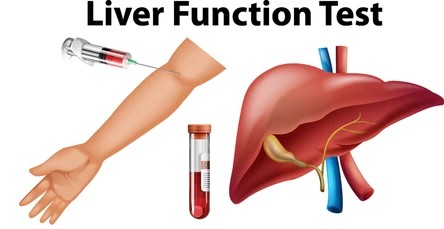
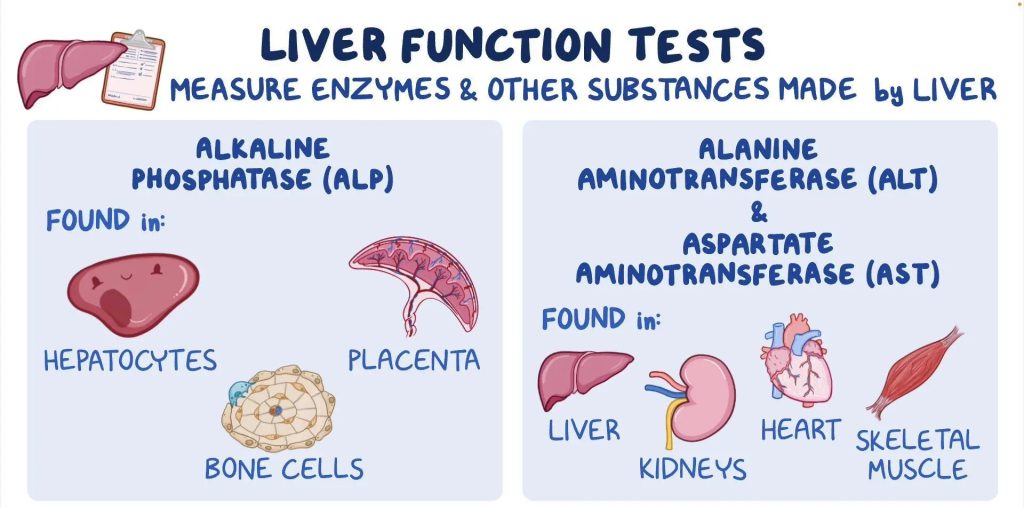
Elevated liver enzymes mean that certain proteins made by the liver are found in higher-than-normal amounts in the blood. These enzymes—such as ALT (alanine transaminase), AST (aspartate transaminase), ALP (alkaline phosphatase), and GGT (gamma-glutamyl transferase)—help the liver function properly. When the liver is inflamed or damaged, it releases these enzymes into the bloodstream, which can be detected with a blood test.
What Causes Elevated Liver Enzymes?
There are many possible reasons for elevated liver enzymes. Some causes are temporary and harmless, while others may indicate a more serious liver condition. Common causes include:
- Fatty liver disease (NAFLD or alcoholic)
- Hepatitis (A, B, or C)
- Alcohol use
- Certain medications (e.g., statins, acetaminophen, antibiotics)
- Obesity or metabolic syndrome
- Liver infections or autoimmune diseases
- Hemochromatosis (iron overload)
- Wilson’s disease (copper buildup)
- Celiac disease
- Heart failure (causing liver congestion)
What Are the Symptoms of Elevated Liver Enzymes?
In many cases, elevated liver enzymes don’t cause any symptoms and are only found during routine blood work. However, if liver damage or disease is present, you might experience:
- Fatigue or weakness
- Jaundice (yellowing of skin or eyes)
- Nausea or vomiting
- Abdominal pain, especially in the upper right side
- Dark urine or pale stools
- Itchy skin
- Swelling in the legs or abdomen
How Are Elevated Liver Enzymes Diagnosed?
Doctors usually find elevated liver enzymes through a liver function test during routine blood work. If enzymes are high, further testing may include:
- Repeat liver tests to confirm the elevation
- Imaging tests (ultrasound, CT scan, MRI) to check for liver damage
- Hepatitis screening
- Autoimmune or genetic tests
- Liver biopsy in some cases to check for chronic liver disease
How Are Elevated Liver Enzymes Treated?
Treatment depends on the underlying cause. The goal is to reduce liver inflammation and prevent further damage. Common approaches include:
- Lifestyle changes – Losing weight, eating a balanced diet, avoiding alcohol
- Stopping harmful medications or switching to safer alternatives
- Managing underlying conditions like diabetes, high cholesterol, or hepatitis
- Limiting alcohol consumption or quitting altogether
- Medications – In cases of hepatitis or autoimmune conditions
Can Elevated Liver Enzymes Go Back to Normal?
Yes, in many cases, liver enzymes return to normal once the underlying cause is treated or resolved. For example, losing weight or stopping a liver-damaging medication can lead to improvements. However, chronic liver damage may require ongoing treatment and monitoring.
Are Elevated Liver Enzymes Serious?
Not always. Sometimes the increase is mild and temporary. However, persistent or significantly elevated levels can indicate liver disease that needs medical attention. It’s important not to ignore abnormal liver tests.
How Can You Keep Your Liver Healthy?
To support liver health and help prevent elevated enzymes:
- Maintain a healthy weight
- Eat a diet rich in fruits, vegetables, and whole grains
- Avoid excessive alcohol use
- Stay physically active
- Avoid overuse of medications, especially acetaminophen
- Get vaccinated for hepatitis A and B
- Control blood sugar and cholesterol levels