What Is Dyspraxia?
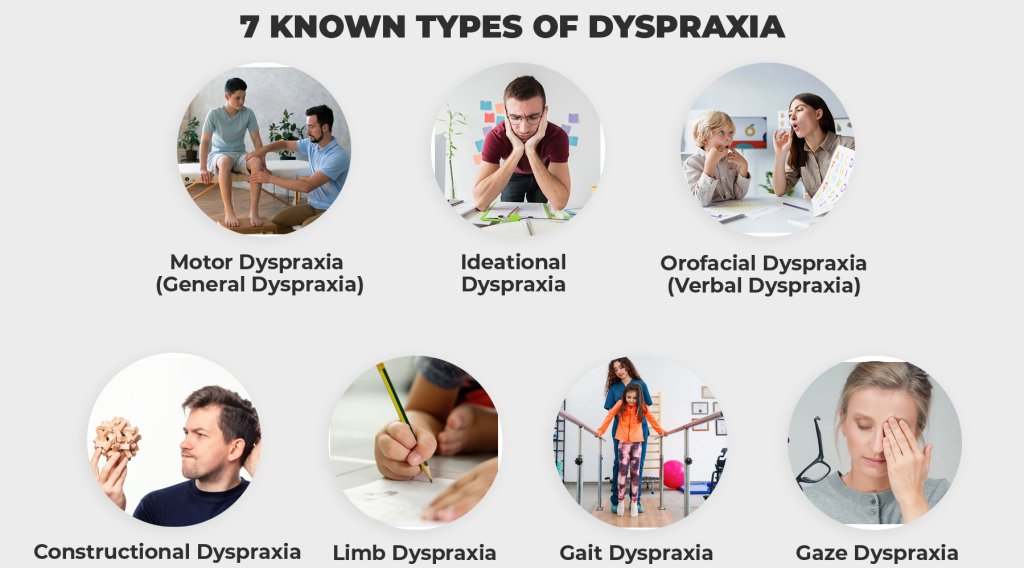
Dyspraxia, also known as developmental coordination disorder (DCD), is a condition that affects movement and coordination. People with dyspraxia may have difficulty with tasks that require fine or gross motor skills, such as writing, using utensils, or playing sports. It is a neurological condition that affects the brain’s ability to plan and coordinate physical movement.
While it is often diagnosed in childhood, dyspraxia can persist into adulthood. However, with proper support and strategies, people with dyspraxia can lead successful and fulfilling lives.

What Causes Dyspraxia?
The exact cause of dyspraxia is not fully understood, but it is believed to be related to the way the brain processes information that controls movement. Some potential causes and contributing factors include:
- Genetics: Dyspraxia tends to run in families, suggesting a genetic component.
- Neurological differences: The condition is linked to differences in the brain’s structure and how it processes motor coordination.
- Premature birth or low birth weight: Children who are born prematurely or with a low birth weight may be at higher risk of developing dyspraxia.
- Brain injury: Damage to the brain during pregnancy, birth, or early childhood may lead to developmental coordination issues.
- Environmental factors: Certain environmental factors, such as infections during pregnancy, may contribute to the development of dyspraxia.
Though these factors may increase the likelihood of developing dyspraxia, the exact cause often remains unclear.
What Are the Symptoms of Dyspraxia?
Symptoms of dyspraxia can vary from person to person, but they typically involve difficulty with movement, coordination, and organization. Common signs include:
- Motor skill challenges: Difficulty with tasks that require fine motor skills (e.g., writing, buttoning a shirt) or gross motor skills (e.g., running, jumping).
- Clumsiness: A tendency to bump into objects, trip over feet, or struggle with balance.
- Poor hand-eye coordination: Difficulty with tasks that require coordination between the hands and eyes, such as catching a ball or using scissors.
- Delayed speech and language development: In some cases, children with dyspraxia may have delays in speaking or have difficulty pronouncing words clearly.
- Difficulty with planning and organization: Struggles with organizing thoughts, tasks, or activities, which can affect school or work performance.
- Challenges with memory and concentration: Trouble remembering instructions or concentrating on tasks for extended periods.
- Fatigue: Because tasks may take more effort and concentration, individuals with dyspraxia may tire more easily than others.
These symptoms may become more apparent as children grow older, especially in school settings where motor coordination is important.
How Is Dyspraxia Diagnosed?
A diagnosis of dyspraxia is typically made by a healthcare professional, such as a pediatrician, neurologist, or occupational therapist. The diagnostic process may involve:
- Medical history review: The doctor will ask about the child’s development, medical background, and any concerns regarding motor coordination.
- Observations of motor skills: The healthcare provider may observe the child’s physical coordination and performance on various tasks.
- Developmental assessments: Standardized tests may be used to assess the child’s motor skills, cognitive abilities, and coordination.
- Speech and language evaluation: If speech delays are present, an evaluation by a speech-language pathologist may be necessary.
- Psychological assessments: To rule out other conditions, such as ADHD or autism spectrum disorder, that can also affect coordination.
Early diagnosis and intervention are important to provide appropriate support and improve outcomes for individuals with dyspraxia.
What Treatments Are Available for Dyspraxia?
While there is no cure for dyspraxia, there are various treatments and strategies that can help individuals manage the condition and improve their motor skills:
- Occupational therapy: Occupational therapists help individuals improve their coordination, motor skills, and ability to perform daily tasks like dressing, eating, and writing. They may also provide strategies to manage sensory processing issues.
- Physical therapy: Physical therapists work on improving gross motor skills, such as balance, walking, and muscle strength.
- Speech therapy: If speech or language development is affected, speech therapy can help improve communication skills.
- Cognitive therapy: Strategies to improve memory, organization, and focus can be helpful for individuals with dyspraxia, especially in school or work settings.
- Support at school or work: Special accommodations, such as extra time for assignments, adapted tools for writing, or modified tasks, can help individuals with dyspraxia perform better in educational or professional environments.
- Medication: While there is no specific medication for dyspraxia, medications may be prescribed for related conditions, such as ADHD or anxiety.
Can Dyspraxia Be Prevented?
Currently, there is no known way to prevent dyspraxia, as it is typically caused by a combination of genetic and neurological factors. However, early intervention and support can help manage the symptoms and improve the quality of life for individuals with dyspraxia.