


What is Diverticulitis?
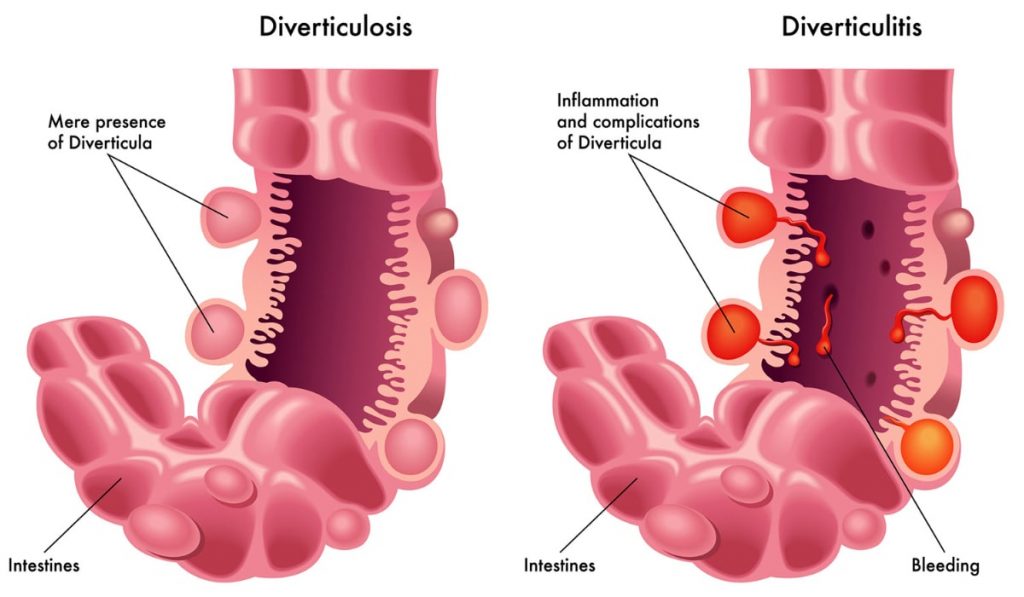
Diverticulitis is a condition that occurs when small pouches, called diverticula, that form in the walls of the colon become inflamed or infected. Diverticula are common, especially as people age, and the condition becomes problematic when these pouches cause pain, infection, or other complications. While the formation of diverticula (a condition known as diverticulosis) is typically harmless, diverticulitis can lead to serious health issues if not properly managed.

What causes Diverticulitis?
The exact cause of diverticulitis is not fully understood, but several factors may contribute to the development of the condition:
- Increased pressure in the colon: The pressure from hard stools or constipation can cause small tears in the lining of the colon, leading to the formation of diverticula. Once these pouches are formed, they can become infected if bacteria enter.
- Dietary factors: A low-fiber diet, which leads to constipation, can increase the risk of diverticulitis. A high-fiber diet helps in preventing the formation of diverticula and maintains healthy bowel movements.
- Aging: As you age, the walls of the colon become weaker, increasing the chances of diverticula forming. The risk of diverticulitis rises with age, especially in people over 40.
- Obesity: Being overweight may increase the likelihood of developing diverticulitis. Excess fat around the abdomen can contribute to increased pressure on the colon.
- Lack of exercise: Sedentary lifestyles are associated with a higher risk of developing diverticulitis. Regular exercise helps improve bowel function and reduces pressure on the colon.
- Smoking: Smoking has been linked to an increased risk of diverticulitis. The exact mechanism is unclear, but it may be due to smoking’s effect on blood flow and gut health.
What are the symptoms of Diverticulitis?
The symptoms of diverticulitis can range from mild to severe and may include:
- Abdominal pain: The most common symptom is pain in the lower left side of the abdomen. The pain can be sharp, crampy, and may worsen with movement or bowel movements.
- Fever: An infection in the diverticula can lead to fever, a sign that the body is fighting the infection.
- Nausea and vomiting: These symptoms can occur as a result of the infection or inflammation.
- Changes in bowel habits: People with diverticulitis may experience diarrhea or constipation, and some may notice blood in the stool.
- Bloating and gas: A feeling of fullness or bloating may be present, and there can be excessive gas in the stomach and intestines.
- Loss of appetite: Infection and inflammation in the colon can lead to a loss of appetite, along with the above symptoms.
How is Diverticulitis diagnosed?
To diagnose diverticulitis, a healthcare provider will typically:
- Medical history and physical exam: The doctor will ask about your symptoms, lifestyle, and medical history. A physical exam will focus on abdominal tenderness or signs of infection.
- Blood tests: Blood tests can check for signs of infection, such as an elevated white blood cell count.
- CT scan: A CT scan (computed tomography scan) is the most common imaging test used to diagnose diverticulitis. It helps to identify the location and extent of the infection, as well as any complications such as abscesses or perforation.
- Colonoscopy: In some cases, a colonoscopy may be recommended after an acute episode of diverticulitis has resolved. This procedure helps assess the health of the colon and rule out other conditions like cancer.
How is Diverticulitis treated?
The treatment for diverticulitis depends on the severity of the condition. Treatment options include:
- Antibiotics: In mild cases of diverticulitis, antibiotics may be prescribed to treat the infection. These can be taken orally for uncomplicated cases or intravenously in more severe cases.
- Diet changes: For mild cases, a clear liquid diet is often recommended initially to allow the colon to rest. Once symptoms improve, a low-fiber diet is advised. After recovery, a high-fiber diet is important to prevent further complications.
- Pain relief: Over-the-counter pain relievers such as acetaminophen can help manage mild pain. Nonsteroidal anti-inflammatory drugs (NSAIDs) like ibuprofen are generally avoided, as they may worsen complications.
- Hospitalization: Severe cases may require hospitalization for intravenous fluids, antibiotics, and pain management.
- Surgery: In rare and severe cases of diverticulitis, such as when an abscess, perforation, or bleeding occurs, surgery may be necessary to remove the affected portion of the colon. This is typically a last resort when other treatments fail.
What are the complications of Diverticulitis?
If left untreated or not managed properly, diverticulitis can lead to several serious complications, including:
- Abscesses: A localized infection that forms a pocket of pus in the abdomen. Abscesses require drainage and may need surgical intervention.
- Perforation: A tear in the wall of the colon can lead to peritonitis, a life-threatening infection of the abdominal cavity.
- Fistulas: Abnormal connections between the colon and other organs (such as the bladder or vagina) can form, which may require surgical repair.
- Strictures: Scarring and narrowing of the colon can result from repeated inflammation, leading to bowel obstruction.
- Bleeding: Diverticulitis can cause blood vessels to rupture, leading to rectal bleeding. While this can often be controlled, it may require medical treatment in some cases.
How can Diverticulitis be prevented?
While you cannot always prevent diverticulitis, you can reduce your risk by adopting the following lifestyle changes:
- Eat a high-fiber diet: A diet rich in fiber (found in fruits, vegetables, and whole grains) can help prevent constipation, reducing pressure on the colon and minimizing the risk of diverticula formation.
- Exercise regularly: Regular physical activity helps maintain a healthy weight and promotes good bowel function, reducing the risk of diverticulitis.
- Stay hydrated: Drinking plenty of water helps keep stools soft and supports overall colon health.
- Avoid smoking: Smoking is associated with an increased risk of diverticulitis, so quitting can reduce your chances of developing the condition.
When should you see a doctor for Diverticulitis?
You should seek medical attention if you experience any of the following:
- Persistent or severe abdominal pain, especially in the lower left side.
- Fever, nausea, or vomiting.
- Changes in bowel habits, such as diarrhea or constipation.
- Blood in the stool.
Early treatment can prevent complications and improve recovery.
