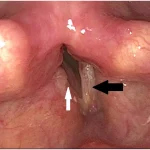
What is Discoid Lupus Erythematosus?
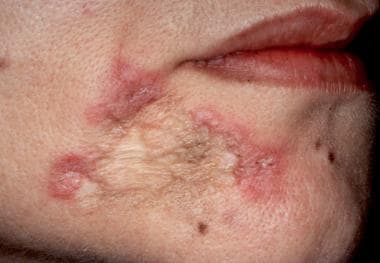
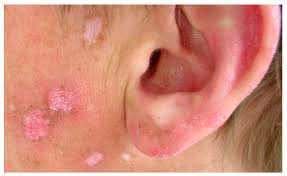
Discoid lupus erythematosus (DLE) is a chronic autoimmune condition that affects the skin, particularly the face, ears, and scalp. It is a form of lupus that is limited to the skin, unlike systemic lupus erythematosus, which can affect multiple organs. DLE is characterized by round, red, scaly lesions that may cause permanent scarring if not treated.
What causes Discoid Lupus Erythematosus?
The exact cause of discoid lupus erythematosus is not fully understood, but it is believed to be triggered by a combination of genetic, environmental, and immune system factors. The body’s immune system mistakenly attacks healthy skin cells, causing inflammation and the formation of lesions. Factors that may trigger or worsen DLE include:
- Sun exposure: Ultraviolet (UV) rays from the sun can exacerbate the condition.
- Infections: Certain viral or bacterial infections may trigger flare-ups.
- Medications: Some medications, including certain antibiotics, can trigger DLE in susceptible individuals.
- Genetic factors: A family history of lupus or autoimmune diseases may increase the risk.
- Hormonal changes: Hormonal fluctuations, particularly in women, may play a role.
What are the symptoms of Discoid Lupus Erythematosus?
The symptoms of discoid lupus erythematosus mainly involve the skin and can include:
- Red, circular lesions: These lesions often appear on the face, ears, scalp, neck, and chest. They may be scaly and raised.
- Hair loss: If DLE affects the scalp, hair loss may occur in the areas where lesions form.
- Discoloration: The affected skin may become discolored, appearing darker or lighter than the surrounding skin after lesions heal.
- Itching or burning: Some individuals may experience discomfort in the affected areas, including itching or a burning sensation.
- Scarring: If untreated, lesions may leave permanent scarring and may cause changes in skin texture.
How is Discoid Lupus Erythematosus diagnosed?
To diagnose discoid lupus erythematosus, a healthcare provider will typically:
- Review the patient’s medical history and symptoms.
- Perform a physical exam to inspect the skin for characteristic lesions and other signs.
- Conduct laboratory tests: Blood tests, such as an antinuclear antibody (ANA) test, can help identify autoimmune activity.
- Skin biopsy: In some cases, a skin biopsy may be done to confirm the diagnosis and rule out other skin conditions with similar symptoms.
- Evaluate sun exposure and other triggers that may contribute to flare-ups.
How is Discoid Lupus Erythematosus treated?
There is currently no cure for discoid lupus erythematosus, but treatment aims to manage symptoms and prevent further flare-ups. Treatment options may include:
- Topical corticosteroids: These are commonly used to reduce inflammation and alleviate symptoms in mild cases.
- Hydroxychloroquine: In more severe cases, this medication, often used to treat malaria, can help control inflammation and prevent scarring.
- Immunosuppressive drugs: Drugs that suppress the immune system may be used for more aggressive forms of DLE.
- Antimalarial medications: These drugs can help reduce skin inflammation and prevent flare-ups.
- Sun protection: Since sun exposure can trigger flare-ups, wearing sunscreen, protective clothing, and avoiding prolonged sun exposure is essential.
- Topical calcineurin inhibitors: These are used to treat localized skin inflammation without causing the side effects of steroids.
What are the complications of Discoid Lupus Erythematosus?
If left untreated, discoid lupus erythematosus can lead to:
- Scarring and skin damage: Permanent scarring can occur, especially if lesions are not treated promptly.
- Permanent hair loss: If the scalp is affected, hair loss may be permanent in areas where lesions have formed.
- Increased risk of systemic lupus: Though DLE is a skin-limited condition, some individuals may eventually develop systemic lupus erythematosus (SLE), which affects internal organs.
How can Discoid Lupus Erythematosus be prevented?
While discoid lupus erythematosus cannot be fully prevented, there are several measures that can help reduce the risk of flare-ups:
- Sun protection: Using sunscreen with a high SPF, wearing hats, and avoiding direct sunlight can help prevent flare-ups triggered by UV rays.
- Avoiding triggers: Identifying and avoiding personal triggers, such as infections, medications, or environmental factors, can help reduce flare-ups.
- Regular follow-ups: Keeping up with regular medical appointments can help manage the condition before it worsens.
When should you see a doctor for Discoid Lupus Erythematosus?
If you notice any unusual skin lesions, especially red, circular, or scaly patches that do not heal or worsen over time, it is important to see a doctor. Early diagnosis and treatment can help prevent complications and permanent scarring. If you experience symptoms like hair loss, scarring, or discomfort, you should consult a healthcare professional for proper evaluation and treatment.