


Adrenal Gland Disorders ?
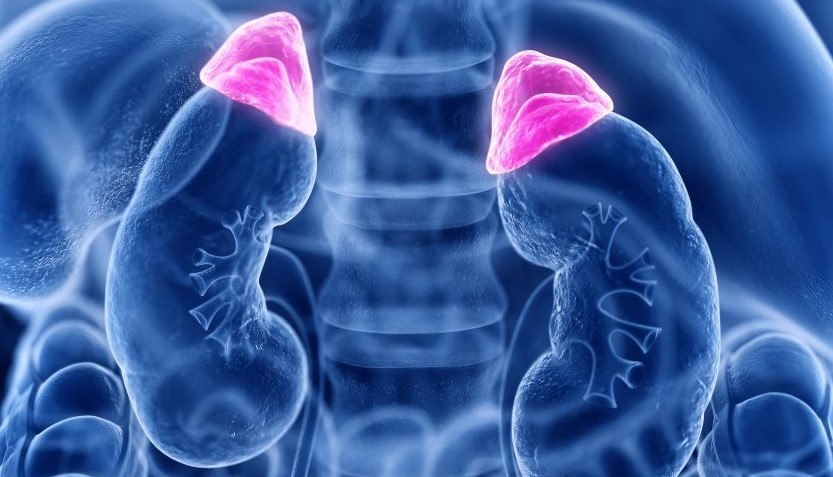
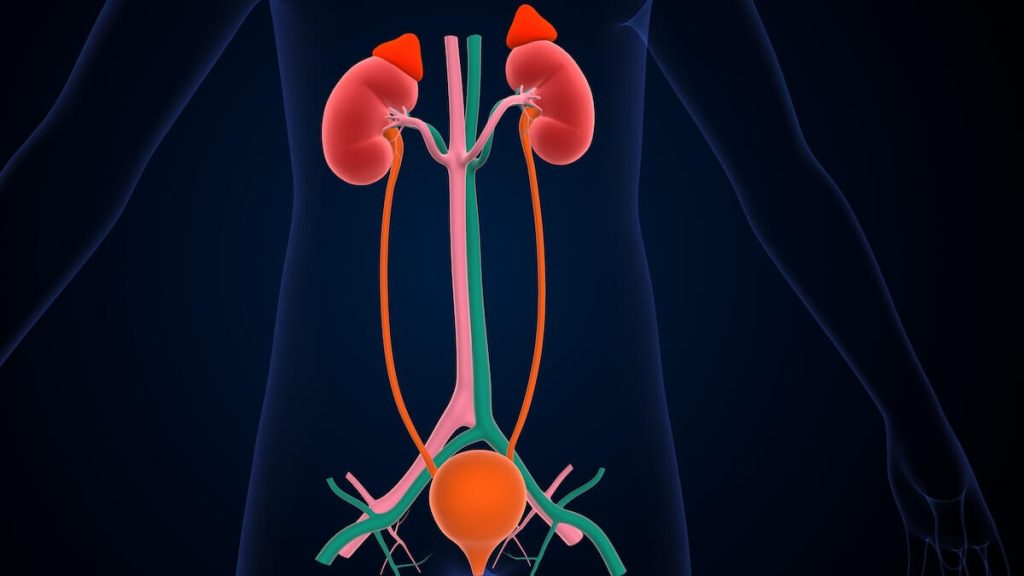
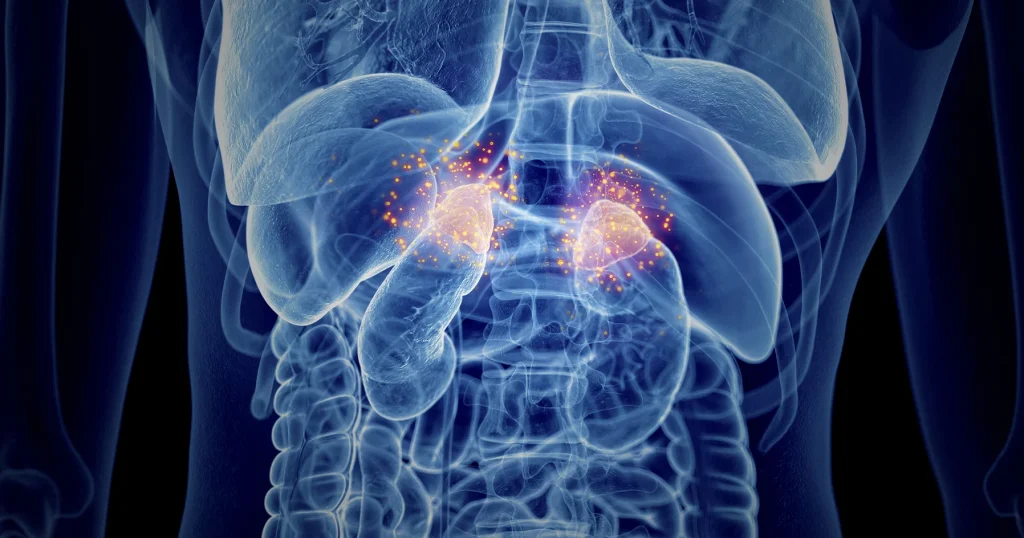
Adrenal gland disorders refer to conditions where the adrenal glands, which are located on top of the kidneys, do not function as they should. The adrenal glands produce important hormones such as cortisol, aldosterone, and adrenaline. Disorders in the adrenal glands can lead to an imbalance in these hormones, causing a variety of symptoms and health issues.
Some common adrenal gland disorders include:
- Addison’s Disease: Insufficient production of cortisol and aldosterone.
- Cushing’s Syndrome: Excess production of cortisol.
- Adrenal Insufficiency: Inability of the adrenal glands to produce enough hormones.
Left untreated, adrenal gland disorders can lead to serious complications, including high blood pressure, diabetes, and cardiovascular disease.
What Are the Symptoms of Adrenal Gland Disorders?
Symptoms vary depending on the specific disorder but often involve imbalances in hormones that affect different organs and systems in the body. Common symptoms across adrenal gland disorders may include:
- Fatigue: General tiredness that doesn’t improve with rest.
- Unexplained Weight Gain or Loss: Due to altered hormone levels affecting metabolism.
- High or Low Blood Pressure: Abnormal blood pressure regulation due to changes in cortisol and aldosterone levels.
- Salt Cravings: A common symptom in adrenal insufficiency due to low aldosterone levels.
- Muscle Weakness and Joint Pain: Resulting from electrolyte imbalances and low cortisol levels.
- Mood Swings, Anxiety, and Depression: Hormonal changes can affect mental health.
- Hyperpigmentation (Skin Darkening): Particularly seen in Addison’s disease.
- Abnormal Growth or Changes in Hair Distribution: A symptom of certain types of adrenal disorders like CAH.
- Excessive Hair Growth (Hirsutism): Caused by overproduction of androgens in some adrenal disorders.
What Causes Adrenal Gland Disorders?
Adrenal gland disorders can be caused by a variety of factors, ranging from autoimmune attacks to tumors or genetic conditions. Below are the most common causes:
- Addison’s Disease (Primary Adrenal Insufficiency): Caused by damage to the adrenal glands, often due to autoimmune diseases, infections, or genetic disorders.
- Cushing’s Syndrome: Usually caused by prolonged exposure to high levels of cortisol, either due to taking corticosteroid medications or due to tumors in the pituitary gland (Cushing’s disease) or adrenal glands.
- Adrenal Insufficiency (Secondary): Often caused by pituitary gland dysfunction, which affects the production of ACTH (adrenocorticotropic hormone), leading to low cortisol production by the adrenal glands.
- Adrenal Tumors: Benign tumors or cancerous growths in the adrenal glands can cause abnormal hormone production, resulting in disorders such as excess cortisol or aldosterone.
- Congenital Adrenal Hyperplasia (CAH): A genetic condition that affects the adrenal glands’ ability to produce certain hormones, leading to imbalances in cortisol, aldosterone, and androgens.
How Are Adrenal Gland Disorders Diagnosed?
Diagnosis of adrenal gland disorders typically involves a combination of physical examinations, blood tests, imaging studies, and hormonal tests:
- Blood Tests: Measurement of hormone levels such as cortisol, aldosterone, ACTH, and androgens can provide clues to the presence of adrenal dysfunction.
- ACTH Stimulation Test: In this test, synthetic ACTH is administered, and cortisol levels are measured to determine the adrenal glands’ ability to respond.
- Urine Tests: A 24-hour urine collection can be used to measure cortisol levels and other hormones that can indicate adrenal dysfunction.
- Imaging Tests (CT or MRI Scans): Used to detect tumors or structural abnormalities in the adrenal glands.
- Dexamethasone Suppression Test: Used in the diagnosis of Cushing’s syndrome to measure how cortisol levels are regulated by dexamethasone, a synthetic steroid.
How Are Adrenal Gland Disorders Treated?
Treatment for adrenal gland disorders depends on the specific condition diagnosed. Treatment options include:
Addison’s Disease (Primary Adrenal Insufficiency):
- Hormone Replacement Therapy: The main treatment involves taking oral corticosteroids such as hydrocortisone to replace cortisol, and fludrocortisone to replace aldosterone.
- Emergency Injections: In case of an adrenal crisis (a life-threatening condition due to insufficient cortisol), emergency corticosteroid injections are necessary.
Cushing’s Syndrome:
- Surgical Removal of Tumors: If Cushing’s syndrome is caused by a tumor, surgery may be required to remove the tumor, either in the pituitary or adrenal glands.
- Medications: Drugs like ketoconazole or metyrapone may be used to reduce cortisol production.
- Radiation Therapy: In some cases, radiation may be used to shrink tumors in the pituitary gland.
Adrenal Insufficiency (Secondary):
- ACTH Therapy or Corticosteroid Replacement: The goal of treatment is to correct the deficiency of cortisol production. Replacement of ACTH may be recommended if the pituitary gland is not functioning properly.
Adrenal Tumors:
- Surgery: For both benign and malignant tumors, surgery is typically the treatment of choice to remove the tumor and prevent further complications.
- Chemotherapy or Radiation: If the tumor is cancerous, chemotherapy or radiation therapy may be needed after surgery to eliminate cancer cells.
Congenital Adrenal Hyperplasia (CAH):
- Hormone Replacement Therapy: Corticosteroids are often prescribed to replace the deficient cortisol. In some cases, other medications like fludrocortisone may also be needed.
- Surgical Intervention: Surgery may be required to correct issues like ambiguous genitalia in some cases.
How Do Adrenal Gland Disorders Affect the Body?
Adrenal gland disorders can have widespread effects on the body, depending on the condition and the hormones that are impacted:
- Hormonal Imbalances: These disorders can disrupt vital processes such as metabolism, immune function, blood pressure regulation, and stress response.
- Electrolyte Imbalances: Disorders like Addison’s disease and Cushing’s syndrome often lead to imbalances in sodium, potassium, and other key electrolytes.
- Weight Gain or Loss: Hormonal imbalances caused by adrenal disorders can result in sudden weight gain or loss.
- Increased Risk of Infections: Decreased cortisol production in Addison’s disease can weaken the immune system, leading to a higher risk of infections.
- Mental Health Impact: Disorders affecting cortisol and other hormones can lead to mood swings, anxiety, and depression.
What Are the Long-Term Effects of Adrenal Gland Disorders?
If left untreated, adrenal gland disorders can lead to serious complications:
- Cardiovascular Problems: Chronic adrenal disorders can affect blood pressure regulation, leading to either high or low blood pressure.
- Bone Health Issues: Long-term use of corticosteroid medications can lead to osteoporosis and bone fractures.
- Adrenal Crisis: Inadequately treated Addison’s disease or adrenal insufficiency can result in adrenal crisis, which is a life-threatening emergency requiring immediate treatment.
- Mental Health Challenges: Ongoing issues with hormone imbalance can lead to chronic anxiety, depression, and cognitive issues.
How to Manage Adrenal Gland Disorders for Better Quality of Life
With proper diagnosis and treatment, individuals with adrenal gland disorders can manage the condition effectively. Tips for managing adrenal gland disorders include:
- Medication Adherence: Always take prescribed medications as directed by your healthcare provider, and adjust doses when needed during periods of stress, illness, or injury.
- Emergency Preparedness: Keep an emergency kit with injectable steroids for Addison’s disease or adrenal crisis, and ensure family members are aware of your condition.
- Regular Monitoring: Schedule regular check-ups with an endocrinologist to monitor hormone levels and adjust treatment as necessary.
- Healthy Lifestyle Choices: Maintaining a balanced diet, managing stress, exercising regularly, and staying hydrated are key components of managing adrenal health.
- Mental Health Support: Seek counseling or therapy if dealing with anxiety, depression, or the emotional burden of living with an adrenal disorder.
This guide provides a thorough overview of adrenal gland disorders, covering essential topics like symptoms, causes, diagnosis, treatment, and management. It’s structured to be easily accessible and informative for users seeking to understand these complex conditions.