A dental ulcer, also known as an oral ulcer or canker sore, is a painful lesion that forms in the soft tissues of the mouth. Dental ulcers can appear on the gums, inner lips, cheeks, tongue, or the roof and floor of the mouth. While they are typically not serious, they can be extremely uncomfortable, making eating, speaking, and even swallowing painful. Understanding the causes, symptoms, and treatment options for dental ulcers can help you manage the condition and promote healing.
What Is a Dental Ulcer?
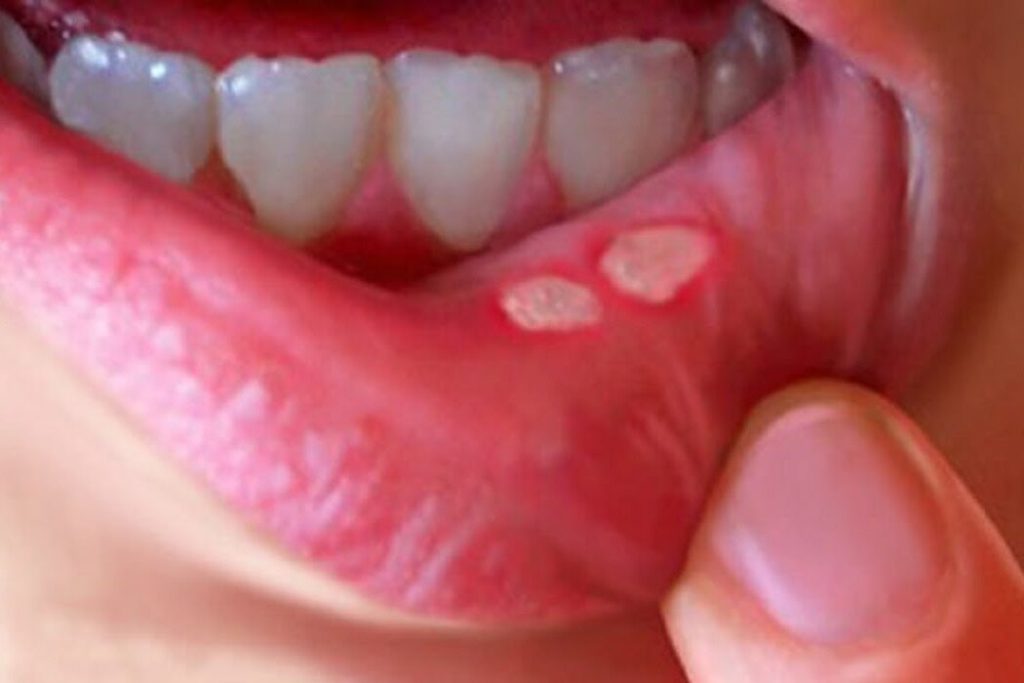
A dental ulcer is an open sore or lesion that appears in the soft tissues of the mouth. They are usually round or oval, with a white or yellowish center and a red border. Dental ulcers can vary in size and severity, with some causing significant pain and discomfort, while others may go unnoticed. The exact cause of dental ulcers can vary, but they often result from irritation, injury, or infection.
While dental ulcers are common, they are generally not contagious. They may occur as a single ulcer or in clusters, and they can last for several days to a couple of weeks, depending on the severity and treatment.
Causes of Dental Ulcers?
Several factors can contribute to the development of dental ulcers. Some of the most common causes include:
- Injury or trauma: Biting the inside of your cheek, brushing too hard, or dental procedures can cause irritation and result in ulcers.
- Poor oral hygiene: A buildup of plaque or bacteria in the mouth can lead to infections or irritation, which may contribute to the development of ulcers.
- Nutritional deficiencies: A lack of essential vitamins and minerals, particularly vitamin B12, iron, and folate, can make you more susceptible to developing ulcers.
- Stress and anxiety: Emotional stress is a common trigger for canker sores and dental ulcers. Stress weakens the immune system, making the body more prone to irritation and infection.
- Hormonal changes: Changes in hormone levels, particularly during menstruation or pregnancy, can increase the likelihood of developing oral ulcers.
- Food triggers: Certain foods, such as acidic or spicy foods, can irritate the mouth and cause ulcers. These can include citrus fruits, tomatoes, and salty or crunchy snacks.
- Underlying health conditions: Conditions like celiac disease, inflammatory bowel disease (IBD), or autoimmune diseases may increase the risk of developing dental ulcers.
Symptoms of Dental Ulcers?
The most noticeable symptom of a dental ulcer is a painful sore or lesion inside the mouth. Other common symptoms include:
- Pain or tenderness: The ulcer may cause sharp pain, especially when eating, drinking, or speaking. The pain can vary from mild to severe.
- Swelling: The area surrounding the ulcer may be swollen or inflamed.
- Redness: The skin around the ulcer is often red and irritated.
- Difficulty eating or speaking: Due to the pain and irritation, it may be difficult to eat or talk comfortably.
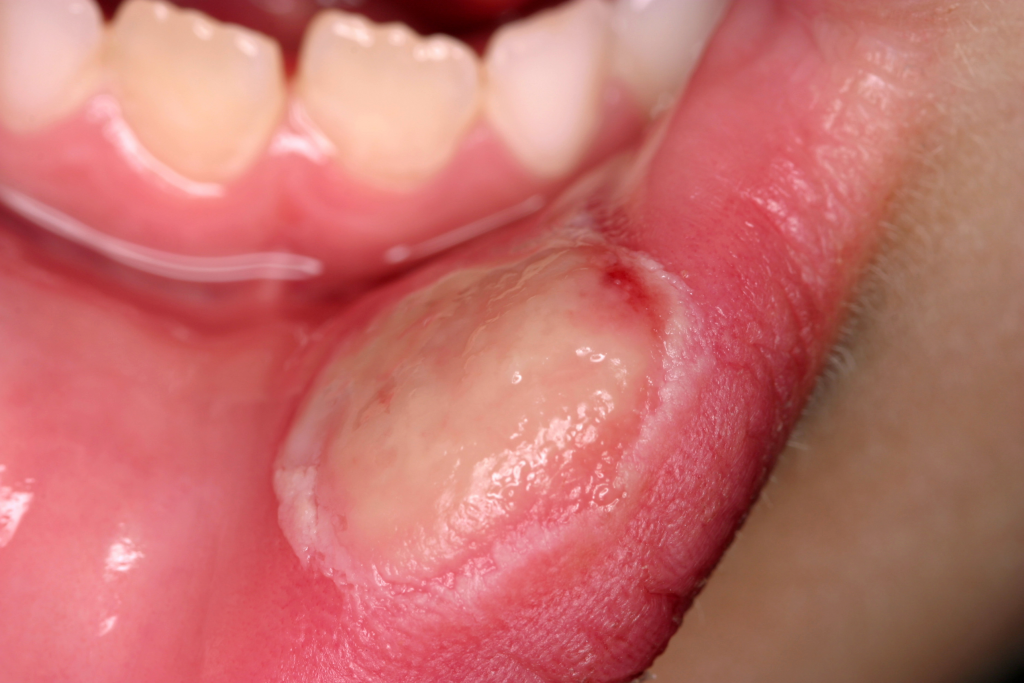
- Lesion appearance: Dental ulcers typically appear as small, round, or oval sores with a white or yellowish center and a red border. They can vary in size.
- Slight fever (in some cases): In severe cases, an infection may lead to a slight fever or other systemic symptoms.
How Dental Ulcers Affect Your Oral Health?
Dental ulcers, although not usually serious, can affect your oral health in various ways:
- Pain and discomfort: The primary concern with dental ulcers is the pain and discomfort they cause. This can make eating, speaking, and even swallowing difficult.
- Infection risk: If a dental ulcer becomes infected, it can lead to more significant oral health problems, including a spreading infection or abscess.
- Chronic irritation: Recurring ulcers may indicate underlying issues, such as poor oral hygiene, food sensitivities, or systemic conditions, and may require more comprehensive treatment.
- Impact on quality of life: The discomfort and pain associated with dental ulcers can interfere with daily activities and reduce overall quality of life, especially if they are persistent.
Treatment for Dental Ulcers?
While most dental ulcers heal on their own without the need for medical treatment, there are several steps you can take to manage symptoms, speed up the healing process, and prevent further irritation:
1. Over-the-counter treatments
- Topical gels and ointments: Over-the-counter topical treatments, such as benzocaine, can numb the area and reduce pain and inflammation. These can be applied directly to the ulcer for relief.
- Antiseptic mouthwash: Using an antiseptic mouthwash can help prevent infection and reduce inflammation. Look for mouthwashes that contain chlorhexidine or hydrogen peroxide.
- Saltwater rinse: A simple saltwater rinse can help promote healing by cleansing the ulcer and reducing irritation.
2. Pain management
- Pain relievers: Over-the-counter pain relievers like ibuprofen or acetaminophen can help manage pain and inflammation associated with dental ulcers.
- Cold compress: Applying a cold compress or ice pack to the outside of the mouth can help reduce swelling and numb the area, providing temporary relief from pain.
3. Dietary changes
- Avoid irritating foods: To prevent further irritation, avoid spicy, acidic, or rough foods that can aggravate the ulcer. Stick to soft, bland foods like yogurt, applesauce, and mashed potatoes.
- Hydration: Drink plenty of water to stay hydrated and promote healing.
4. Prescription treatments (if necessary)
- If the ulcer is persistent, severe, or accompanied by other symptoms, your dentist or doctor may prescribe medication, such as corticosteroids or immune-modulating drugs, to help reduce inflammation and promote healing. For frequent or recurring ulcers, they may also recommend an oral rinse containing dexamethasone.
Preventing Dental Ulcers?
While it’s not always possible to prevent dental ulcers, the following tips may help reduce the frequency and severity of outbreaks:
- Maintain good oral hygiene: Regular brushing and flossing can help prevent infections and irritation in the mouth that can lead to ulcers.
- Manage stress: Practice stress-reducing techniques, such as yoga, meditation, or exercise, to reduce the likelihood of stress-related ulcers.
- Eat a balanced diet: Ensure that your diet is rich in essential vitamins and minerals, particularly vitamin B12, iron, and folate, to reduce the risk of ulcers due to nutritional deficiencies.
- Avoid triggers: If certain foods tend to trigger ulcers for you, try to avoid them, especially during stressful times or when you notice early signs of an ulcer forming.
- Use a soft toothbrush: If your brushing technique is too harsh, it could contribute to oral ulcers. Use a soft-bristled toothbrush and gentle motions to avoid irritation.
When to See a Dentist?
Most dental ulcers heal on their own within one to two weeks. However, it’s important to see a dentist if:
- The ulcer lasts longer than two weeks or keeps recurring.
- You experience severe pain that does not respond to over-the-counter treatments.
- The ulcer is unusually large or swollen.
- You have difficulty swallowing or speaking due to the ulcer.
- You experience fever, nausea, or other systemic symptoms along with the ulcer.