


A decubitus ulcer, also known as a pressure ulcer, pressure sore, or bed sore, is a skin injury that occurs when someone stays in one position for too long. These sores usually happen in areas where the bones are close to the skin, like the hips, heels, or tailbone, and can range from mild redness to deep wounds exposing muscle or bone.

What Is a Decubitus Ulcer?
A decubitus ulcer forms when constant pressure cuts off blood flow to the skin. Without enough blood and oxygen, the skin and underlying tissues begin to break down. These ulcers can develop quickly—sometimes in just a few hours—and are especially common in people who are bedridden, use wheelchairs, or have limited mobility.
Common Causes
Decubitus ulcers are caused by prolonged pressure, but several factors increase the risk:
- Lack of movement – staying in the same position too long in bed or a wheelchair
- Friction – skin rubbing against clothing, bedding, or surfaces
- Shear – when the skin stays in place but the underlying tissue moves, such as when sliding down in a bed
- Moisture – from sweating, urine, or feces, which weakens the skin
- Poor nutrition or hydration
- Medical conditions that affect circulation or sensation (e.g., diabetes, spinal cord injury)
Where Do They Commonly Appear?
- Lower back and tailbone
- Heels of the feet
- Hips
- Elbows
- Shoulders and shoulder blades
- Back of the head (especially in infants or elderly patients)
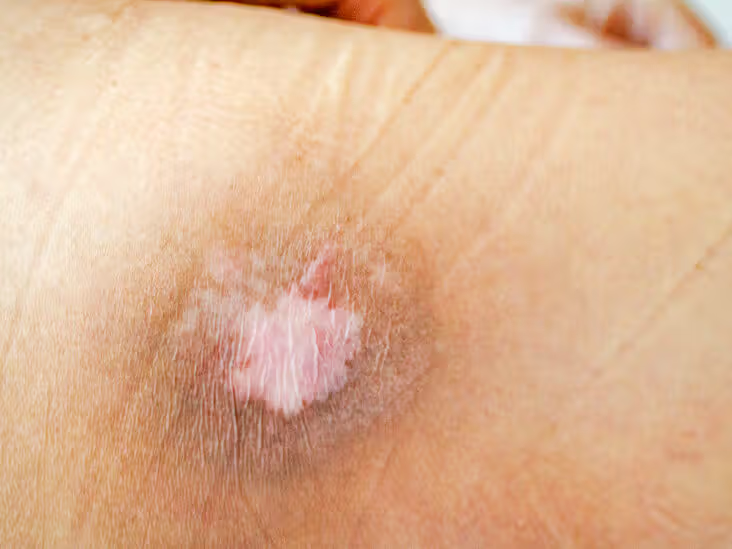
Stages of Pressure Ulcers
Decubitus ulcers are classified into four stages:
- Stage 1 – Red, unbroken skin that doesn’t fade when pressed
- Stage 2 – Open sore or blister with partial skin loss
- Stage 3 – Deeper wound involving full skin loss, possibly reaching fat tissue
- Stage 4 – Severe ulcer exposing muscle, tendon, or bone
There are also unstageable ulcers, where the wound is covered by dead tissue or scabs, making it hard to see the full depth.
Symptoms to Watch For
- Skin discoloration (red, purple, or dark areas)
- Warmth, swelling, or tenderness
- Pain or discomfort in one spot
- Open sores, blisters, or drainage
- Foul-smelling wound
- Fever or signs of infection (in advanced cases)
When to See a Doctor
If you notice any signs of a pressure ulcer—especially if it doesn’t improve in a couple of days or starts to get worse—it’s important to seek medical attention. Severe ulcers can lead to serious infections like cellulitis, bone infection, or even sepsis.
Treatment Options
Treatment depends on the stage and severity of the ulcer. Common approaches include:
- Relieving pressure – using special mattresses, cushions, or frequent repositioning
- Wound care – cleaning, dressing changes, and sometimes debridement (removal of dead tissue)
- Infection control – antibiotics for infected ulcers
- Pain management – medications to ease discomfort
- Surgery – in severe cases, to remove damaged tissue and close the wound
Prevention Tips
Preventing decubitus ulcers is often easier than treating them. Here are some helpful strategies:
- Reposition regularly (every 2 hours if bedridden, every 15–30 minutes if in a wheelchair)
- Use pressure-relieving cushions or mattresses
- Keep skin clean and dry
- Check skin daily for early signs of pressure or breakdown
- Eat a balanced diet and stay well-hydrated
- Treat any underlying conditions that affect movement or circulation