


What is a Cystocele?
A cystocele, also known as a fallen bladder, is a condition in which the bladder drops or bulges into the vagina due to weakened pelvic floor muscles and tissues. This typically occurs when the supportive structures of the pelvic area become weakened or stretched, often due to factors like pregnancy, childbirth, or aging. In women, the pelvic floor muscles and tissues support several organs, including the bladder, uterus, and rectum. When these structures are weakened, it can cause one or more of the organs to shift or descend from their normal position.

What Causes a Cystocele?
The main cause of a cystocele is weakened pelvic floor muscles. This can be due to a variety of factors, including:
- Childbirth: The strain of vaginal delivery, particularly multiple births or large babies, can stretch or damage the pelvic floor muscles, leading to the development of a cystocele.
- Aging: As women age, the pelvic floor muscles naturally weaken. This is especially common after menopause due to a decrease in estrogen levels, which helps maintain the strength of these muscles.
- Chronic constipation: Straining during bowel movements can put additional pressure on the pelvic floor muscles and contribute to the development of a cystocele.
- Obesity: Carrying excess weight increases pressure on the pelvic area, which can weaken the muscles and lead to prolapse of the bladder.
- Heavy lifting: Repeated heavy lifting or other activities that put a lot of pressure on the abdomen can also weaken the pelvic floor muscles.
- Previous pelvic surgery: In some cases, pelvic surgeries such as hysterectomy can weaken the pelvic floor muscles and contribute to a cystocele.
What Are the Symptoms of a Cystocele?
The symptoms of a cystocele can vary in severity depending on how much the bladder has descended into the vagina. Common symptoms include:
- A feeling of fullness or pressure in the pelvic area: This can feel like the bladder is pressing against the vaginal wall.
- Frequent urinary infections: The cystocele may cause urinary retention or incomplete emptying of the bladder, which increases the risk of UTIs.
- Difficulty emptying the bladder: Women with a cystocele may feel the need to urinate frequently or experience difficulty fully emptying their bladder.
- Urinary incontinence: This is the unintentional leakage of urine, which may occur when coughing, sneezing, or laughing.
- Pain or discomfort during sexual intercourse: The bulging of the bladder into the vagina can cause discomfort or pain during sexual activity.
- A visible bulge in the vaginal area: In more severe cases, the bladder may be visible through the vaginal opening when straining or bearing down.
How is a Cystocele Diagnosed?
A cystocele is typically diagnosed during a pelvic exam. During the exam, your healthcare provider will ask you to cough or bear down (as if you were having a bowel movement) to observe any bulging in the vaginal area. Your doctor may also ask about your symptoms, medical history, and any history of childbirth or pelvic surgery.
In some cases, further tests may be needed, including:
- Ultrasound: To measure the degree of bladder prolapse and assess how much the bladder has descended.
- Urodynamic testing: This test evaluates how well the bladder and urethra are storing and releasing urine, and it may be recommended if you are experiencing urinary incontinence.
- Cystoscopy: A procedure where a small camera is inserted into the bladder to examine its interior and ensure there are no other issues contributing to the symptoms.
How is a Cystocele Treated?
The treatment for a cystocele depends on the severity of the condition and the symptoms you’re experiencing. Treatment options include:
- Lifestyle changes: For mild cases, lifestyle changes can help manage symptoms. This includes maintaining a healthy weight, avoiding heavy lifting, and managing constipation through diet and exercise.
- Pelvic floor exercises (Kegel exercises): Strengthening the pelvic floor muscles through regular Kegel exercises can help improve bladder support and reduce symptoms. These exercises involve repeatedly contracting and relaxing the muscles that control urine flow.
- Pessary: A pessary is a small device that can be inserted into the vagina to help support the bladder and reduce the bulge. It is often used as a non-surgical option for managing symptoms, particularly in women who are not candidates for surgery.
- Estrogen therapy: For postmenopausal women, topical estrogen therapy may help strengthen the pelvic floor muscles and improve bladder support.
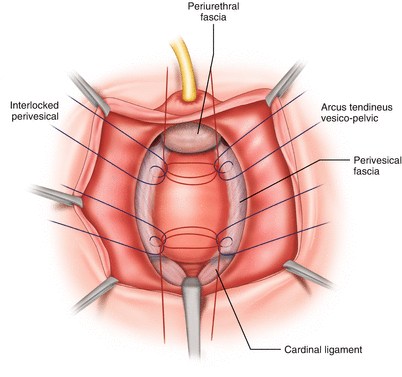
- Surgery: In more severe cases, surgery may be necessary to repair the bladder prolapse and restore it to its normal position. Surgical options include:
- Anterior colporrhaphy: This surgery involves repairing and strengthening the front wall of the vagina to support the bladder.
- Sling procedure: A mesh sling may be used to lift and support the bladder, helping to reduce prolapse and incontinence.
- Vaginal or abdominal approach: Depending on the extent of the prolapse, the procedure may be performed through the vaginal or abdominal route.
What Are the Risks and Complications of Cystocele?
If left untreated, a cystocele can lead to complications, including:
- Recurrent urinary tract infections (UTIs): The inability to fully empty the bladder can increase the risk of urinary infections.
- Urinary retention: Chronic retention of urine due to the bladder not emptying properly can lead to kidney damage if not addressed.
- Worsening of symptoms: Over time, the cystocele may worsen, leading to more severe urinary incontinence, pain, and difficulty with sexual activity.
- Vaginal prolapse: In severe cases, the bladder can lead to other types of vaginal prolapse, where other pelvic organs may descend into the vaginal canal.
How Can a Cystocele Be Prevented?
While it may not be possible to prevent a cystocele completely, several steps can reduce the risk:
- Kegel exercises: Strengthening the pelvic floor muscles can help support the bladder and prevent prolapse.
- Healthy weight: Maintaining a healthy weight reduces the strain on the pelvic muscles.
- Avoiding constipation: Regular bowel movements can reduce the pressure on the pelvic floor muscles.
- Minimizing heavy lifting: Be mindful of your body mechanics and avoid lifting heavy objects whenever possible.
- Quit smoking: Smoking increases the risk of coughing, which can put additional pressure on the pelvic floor muscles.