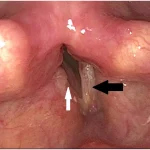
What is Cystic Hygroma?
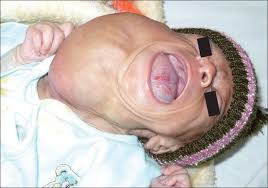
Cystic hygroma is a rare, fluid-filled sac or mass that typically develops in the neck or head area, although it can occur anywhere in the body. This condition is caused by abnormal development of the lymphatic system, which is responsible for draining excess fluid from tissues and returning it to the bloodstream. Cystic hygromas most often appear at birth or early childhood and can vary in size.
Though cystic hygromas are generally benign (non-cancerous), they can cause significant health problems depending on their size and location. In some cases, cystic hygromas can obstruct normal organ function, leading to complications.
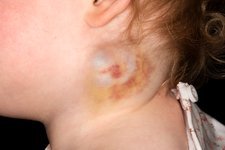
What Causes Cystic Hygroma?
Cystic hygromas develop when there is a malformation in the lymphatic system, which leads to an accumulation of lymphatic fluid in sacs or cysts. These sacs can grow larger over time, resulting in the formation of a visible mass. The exact cause of this malformation is often unknown, but certain factors may increase the risk of cystic hygroma, including:
- Genetic conditions: Cystic hygromas are more common in individuals with certain genetic syndromes, such as Turner syndrome or Noonan syndrome. These conditions can affect the development of the lymphatic system.
- Chromosomal abnormalities: Cystic hygromas are sometimes associated with chromosomal disorders, such as Down syndrome or other trisomies.
- Intrauterine factors: In some cases, cystic hygromas may develop due to environmental factors affecting the fetus during pregnancy, although this is less understood.
What Are the Symptoms of Cystic Hygroma?
The symptoms of cystic hygroma depend on the size, location, and severity of the cyst. Some common symptoms include:
- Visible lump or mass: The most noticeable sign of cystic hygroma is a soft, painless lump or swelling, often located on the neck or head. This mass can range in size from small to large and may increase in size over time.
- Difficulty breathing: If the cyst compresses the airway or throat, it can cause breathing difficulties.
- Difficulty swallowing: In cases where the cyst is near the throat or esophagus, swallowing may become difficult.
- Infection: In rare cases, cystic hygromas can become infected, leading to pain, redness, or swelling.
- Fluid-filled sac: The cyst may feel soft or fluid-filled to the touch, especially if it is growing rapidly.
In some cases, cystic hygromas can grow large enough to cause pressure on surrounding tissues, leading to complications such as airway obstruction or difficulty eating.
How is Cystic Hygroma Diagnosed?
The diagnosis of cystic hygroma is usually made through a combination of physical examination and imaging tests. Common diagnostic methods include:
- Physical examination: The doctor may examine the area where the cyst is located and assess its size, texture, and any associated symptoms such as breathing or swallowing difficulties.
- Ultrasound: An ultrasound is commonly used to identify fluid-filled cysts and determine their location. This imaging technique helps visualize the cyst and assess its size and structure.
- MRI (Magnetic Resonance Imaging): An MRI may be used to get a more detailed image of the cyst, especially if it is located deep within the body. MRI provides a clearer view of surrounding structures and organs.
- CT scan: In some cases, a CT scan may be recommended for further imaging if an MRI is not available or suitable.
- Genetic testing: If the cystic hygroma is associated with other genetic or chromosomal conditions, genetic testing may be used to screen for these disorders.
How is Cystic Hygroma Treated?
Treatment for cystic hygroma depends on the size, location, and symptoms of the cyst. In many cases, treatment may involve observation, but for larger or symptomatic cysts, medical intervention may be required. Common treatments for cystic hygroma include:
- Surgical removal: If the cyst is causing significant symptoms or complications, surgical removal is often recommended. This procedure involves removing the cyst entirely and may be done through an incision in the skin. The goal is to remove the cyst without damaging surrounding structures, although in some cases, complete removal may not be possible, and part of the cyst may be left behind.
- Sclerotherapy: This treatment involves injecting a sclerosing agent into the cyst to shrink or close it. The injection causes the cyst walls to collapse and the fluid to be reabsorbed by the body. Sclerotherapy is typically used for cysts that are difficult to remove surgically or in cases where surgery poses a high risk.
- Drainage: In some cases, the cyst may be drained to relieve pressure or symptoms. However, drainage is typically only a temporary solution, as cysts can often refill with fluid.
- Observation: If the cyst is small, asymptomatic, or not causing any complications, doctors may choose to monitor it over time. Regular follow-up appointments with imaging may be recommended to assess whether the cyst is growing or causing any issues.
- Supportive care: In cases where cystic hygroma affects swallowing or breathing, supportive treatments may be provided. This may include breathing support, dietary modifications, or feeding tubes to ensure adequate nutrition while managing symptoms.
What Are the Risks and Complications of Cystic Hygroma?
While cystic hygromas are generally benign, they can lead to complications depending on their size and location. Some potential risks and complications include:
- Airway obstruction: Large cysts, especially those in the neck, can obstruct the airway, causing difficulty breathing or even life-threatening respiratory distress.
- Infection: As with any fluid-filled sac, cystic hygromas can become infected, leading to pain, redness, and swelling.
- Recurrent cyst formation: Even after treatment, cystic hygromas can recur, particularly if part of the cyst remains or if the fluid is not fully drained.
- Nerve damage: In rare cases, if the cyst compresses nerves, it can lead to nerve damage or loss of function in the affected area.
- Genetic syndromes: In some cases, cystic hygromas may be associated with underlying genetic conditions, which can increase the risk of other health issues.
How Can Cystic Hygroma Be Prevented?
There is no known way to prevent cystic hygroma, as it is often caused by genetic or developmental factors that cannot be controlled. However, early diagnosis and treatment can help manage symptoms and reduce the risk of complications. If you have concerns about genetic conditions or a family history of cystic hygroma, genetic counseling and screening may be beneficial.