


What Is Creutzfeldt-Jakob Disease?
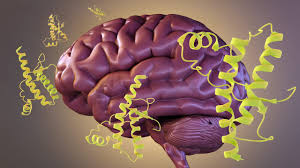
Creutzfeldt-Jakob Disease (CJD) is a rare and fatal brain disorder that causes rapid mental decline and neurological deterioration. It belongs to a group of illnesses known as prion diseases, which are caused by abnormally shaped proteins that affect the brain.
CJD progresses quickly and can lead to severe disability and death within months. It affects about one in every million people each year.
Types of CJD?
There are several forms of CJD:
- Sporadic CJD (sCJD)
The most common form, with no known cause. - Hereditary or familial CJD (fCJD)
Passed down genetically through a mutated prion protein gene. - Acquired CJD
This includes:- Variant CJD (vCJD): linked to eating contaminated beef (mad cow disease).
- Iatrogenic CJD: transmitted through medical procedures, such as contaminated surgical instruments or organ transplants.
Causes of CJD?
CJD is caused by prions, which are misfolded proteins that can trigger other proteins in the brain to misfold, causing brain damage. Unlike bacteria or viruses, prions contain no genetic material and are not alive, but they are extremely resistant to heat and disinfectants.
Most cases are sporadic, meaning they occur for unknown reasons, while others may be inherited or transmitted through contaminated medical equipment or infected tissue.
Symptoms of CJD?
Symptoms usually start subtly and progress rapidly. They may include:
- Rapid memory loss
- Confusion and personality changes
- Difficulty speaking or swallowing
- Loss of coordination or balance
- Visual disturbances or blindness
- Involuntary muscle jerks (myoclonus)
- Coma in later stages
Symptoms often worsen quickly, leading to severe mental and physical impairment.
Diagnosis?
There is no single test to confirm CJD, but doctors may use several tools:
- Neurological exams to assess brain function
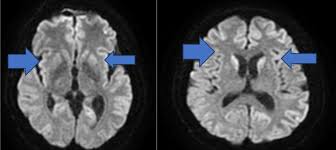
- MRI scans to detect changes in the brain
- EEG (electroencephalogram) to check brain activity patterns
- Spinal tap (lumbar puncture) to detect certain proteins in cerebrospinal fluid
- Genetic testing for inherited forms
- Brain biopsy or autopsy is the only way to confirm CJD with certainty
Treatment?
Unfortunately, there is no cure or effective treatment for CJD. Care focuses on relieving symptoms and making the patient as comfortable as possible. This may include:
- Medications to control muscle jerks or seizures
- Support for confusion and agitation
- Nutritional and mobility support
Prognosis?
CJD progresses very rapidly. Most people diagnosed with it pass away within a few months to a year of symptom onset. Variant CJD tends to have a slightly longer course but is still fatal.
Is CJD Contagious?
CJD is not contagious through casual contact, touching, or being near someone with the disease. However, precautions are taken in medical settings because prions can remain on surgical instruments if not properly sterilized.
Prevention?
Since there’s no known way to prevent sporadic or inherited forms of CJD, prevention efforts focus mainly on medical safety:
- Using single-use surgical tools when operating on brain tissue
- Rigorous screening of blood and organ donations
- Banning high-risk tissues from entering the food chain
