What is Chronic Fatigue Syndrome (CFS)?
Chronic Fatigue Syndrome (CFS), also known as Myalgic Encephalomyelitis (ME), is a complex and debilitating condition characterized by persistent, unexplained fatigue that doesn’t improve with rest and worsens with physical or mental activity. The fatigue experienced in CFS is not the typical tiredness we all feel; it is profound and can significantly affect daily activities, impairing a person’s ability to function normally.
CFS is often accompanied by a variety of symptoms, including sleep disturbances, memory problems, and muscle pain. While the exact cause of CFS is not fully understood, it is believed to result from a combination of genetic, environmental, and possibly viral factors.
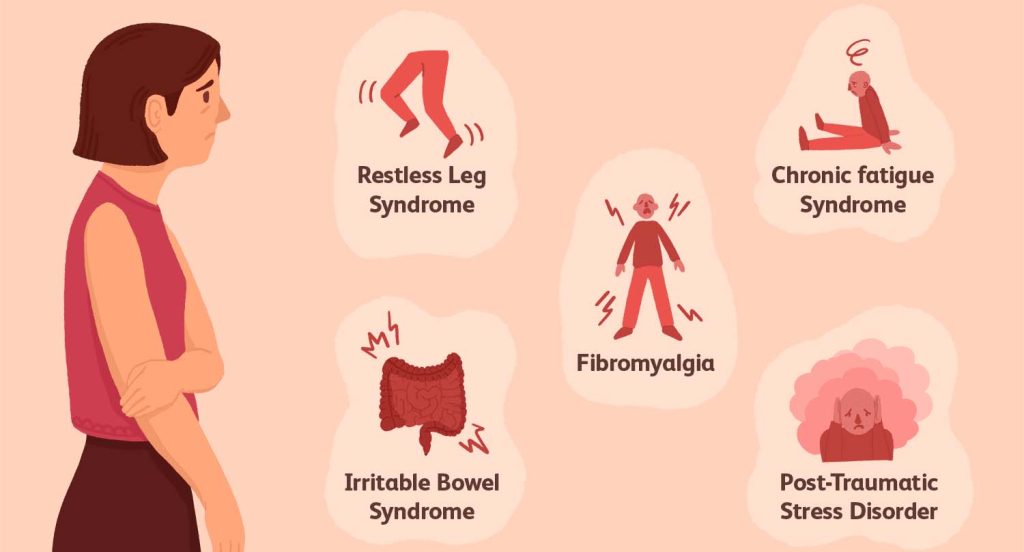
What Causes Chronic Fatigue Syndrome?
The exact cause of CFS is unknown, but several factors are thought to contribute to its development, including:
- Viral Infections: Some people develop CFS after being infected with viruses, such as Epstein-Barr virus, human herpesvirus 6, or the flu. However, it is unclear whether these infections directly cause CFS or just trigger its onset in susceptible individuals.
- Immune System Dysfunction: Some studies suggest that people with CFS may have an abnormal immune system response, which could play a role in the development of the condition.
- Hormonal Imbalances: Abnormal levels of certain hormones, including those produced by the hypothalamus, pituitary glands, or adrenal glands, have been observed in people with CFS. These imbalances may contribute to the symptoms of the condition.
- Genetic Factors: There may be a genetic predisposition to CFS, as it can sometimes run in families.
- Psychological Stress: Trauma, stress, or emotional events may act as triggers for the condition in some people, although CFS is not classified as a psychological disorder.
What Are the Symptoms of Chronic Fatigue Syndrome?
CFS can affect many areas of a person’s life, and its symptoms can vary widely from person to person. Common symptoms of CFS include:
- Persistent Fatigue: The hallmark of CFS is persistent and unexplained fatigue that doesn’t improve with rest. This fatigue can be severe and interfere with everyday activities.
- Post-exertional Malaise (PEM): This refers to a worsening of symptoms after physical or mental exertion, often lasting more than 24 hours. Even minor activities can cause a significant increase in symptoms.
- Sleep Problems: People with CFS often experience unrefreshing sleep, meaning they wake up feeling tired even after a full night’s rest. Insomnia and disrupted sleep patterns are also common.
- Cognitive Impairment (Brain Fog): Memory problems, difficulty concentrating, and mental fatigue are common, often referred to as “brain fog.”
- Muscle and Joint Pain: Unexplained muscle pain, joint pain, and headaches are common, and these symptoms may worsen with physical activity.
- Sore Throat and Swollen Lymph Nodes: Some people with CFS experience a sore throat and tender or swollen lymph nodes, although they do not have an infection.
- Headaches: Chronic headaches, including migraines, are frequent in individuals with CFS.
- Sensitivity to Light and Sound: People with CFS may become easily irritated by bright lights or loud noises.
- Digestive Problems: Some individuals with CFS report gastrointestinal issues such as irritable bowel syndrome (IBS), bloating, and abdominal pain.
How is Chronic Fatigue Syndrome Diagnosed?
There is no single test for diagnosing CFS, and the diagnosis is typically made through a process of elimination. The healthcare provider will assess your medical history, perform a physical examination, and order tests to rule out other potential causes for your symptoms.
To diagnose CFS, doctors typically use the following criteria:
- Unexplained fatigue that lasts for at least six months and is not improved with rest.
- Post-exertional malaise that worsens symptoms following physical or mental exertion.
- Cognitive impairment or unrefreshing sleep.
- Symptoms are not better explained by another condition, such as hypothyroidism, depression, or another medical condition.
Additional tests, such as blood tests or imaging studies, may be performed to rule out other conditions that could be causing fatigue or similar symptoms, like infections, anemia, or autoimmune disorders.

How is Chronic Fatigue Syndrome Treated?
There is no cure for CFS, but treatment is focused on managing symptoms and improving quality of life. Treatment plans may include a combination of the following:
- Lifestyle Changes:
- Pacing: A technique of balancing activity with rest to avoid exacerbating symptoms. People with CFS often need to pace themselves to avoid overexertion.
- Sleep Management: Improving sleep hygiene and using relaxation techniques may help manage sleep disturbances and unrefreshing sleep.
- Stress Reduction: Learning how to manage stress through techniques such as mindfulness, yoga, or deep breathing exercises may help reduce symptoms.
- Gradual Increase in Activity: A careful and gradual approach to increasing activity levels may help improve energy levels over time without triggering post-exertional malaise.
- Medications:
- Pain Relievers: Over-the-counter pain relievers, such as ibuprofen or acetaminophen, can help alleviate muscle and joint pain.
- Antidepressants: Low doses of antidepressants, such as selective serotonin reuptake inhibitors (SSRIs), may be prescribed to help manage symptoms of depression, pain, or sleep disturbances.
- Sleep Aids: Prescription medications or natural remedies may be used to help individuals with CFS get more restful sleep.
- Anti-anxiety Medications: If anxiety is a contributing factor, medications like benzodiazepines may be used on a short-term basis.
- Cognitive Behavioral Therapy (CBT): CBT is a structured therapy that helps individuals with CFS manage their symptoms by changing negative thought patterns and behaviors that may contribute to the condition.
- Graded Exercise Therapy (GET): Although controversial, some people with CFS may benefit from a carefully monitored and gradual increase in physical activity, aiming to restore physical fitness and stamina. However, it is important to work closely with a healthcare professional when trying this approach to avoid exacerbating symptoms.
What Are the Risk Factors for Chronic Fatigue Syndrome?
Several factors may increase the risk of developing CFS, including:
- Age: CFS most commonly affects people between the ages of 30 and 50, although it can occur at any age.
- Gender: Women are more likely than men to develop CFS, with some studies suggesting that hormonal differences may play a role.
- Viral Infections: A history of viral infections, particularly Epstein-Barr virus (EBV) or other similar viruses, may increase the risk.
- Genetics: A family history of CFS or other chronic health conditions may increase the risk.
- Psychological Stress: Exposure to severe stress or traumatic events may increase susceptibility to CFS in some individuals.
What Are the Complications of Chronic Fatigue Syndrome?
While CFS itself is not typically life-threatening, it can lead to significant complications and affect a person’s ability to lead a normal life. Some potential complications include:
- Reduced Quality of Life: Chronic fatigue and cognitive impairment can severely affect a person’s ability to perform everyday tasks, work, and engage in social activities.
- Mental Health Issues: The persistent nature of CFS can contribute to feelings of depression, anxiety, or isolation due to the impact on one’s ability to function.
- Physical Deconditioning: Prolonged inactivity or reduced physical activity due to fatigue can lead to muscle weakness, reduced mobility, and further fatigue.
How Can Chronic Fatigue Syndrome Be Prevented?
There is no known way to prevent CFS, especially since its causes are not fully understood. However, adopting a healthy lifestyle and managing stress may help reduce the risk of developing the condition:
- Prioritize good sleep hygiene to improve rest and recovery.
- Manage stress through relaxation techniques and coping strategies.
- Stay active with moderate physical activity, tailored to your energy levels and physical capabilities.
What is the Prognosis for Chronic Fatigue Syndrome?
The prognosis for CFS varies from person to person. Some individuals may experience gradual improvement in symptoms over time, while others may continue to experience significant limitations. Although CFS is a chronic condition, the severity of symptoms can fluctuate, and many people find ways to manage their symptoms and lead fulfilling lives. Treatment focuses on symptom management and improving quality of life, but a complete cure remains elusive.