What is Chronic Adrenal Insufficiency?
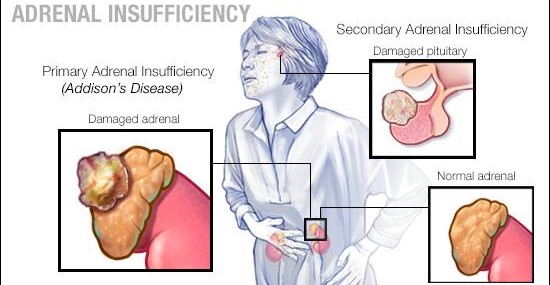
Chronic adrenal insufficiency, also known as Addison’s disease, is a rare condition in which the adrenal glands do not produce enough of the hormones cortisol and aldosterone. These hormones are essential for various bodily functions, including stress response, metabolism, blood pressure regulation, and maintaining salt and water balance.
In this condition, the adrenal glands, located on top of the kidneys, are either damaged or dysfunctional, leading to insufficient hormone production. Chronic adrenal insufficiency can cause a wide range of symptoms that can be severe if left untreated. It can be life-threatening, particularly during times of stress, illness, or injury.
What Causes Chronic Adrenal Insufficiency?
Chronic adrenal insufficiency can be caused by several factors, including:
- Autoimmune Disease: The most common cause of Addison’s disease is an autoimmune response, where the body’s immune system mistakenly attacks and destroys the adrenal glands.
- Infections: Certain infections, such as tuberculosis, fungal infections, or HIV, can damage the adrenal glands.
- Adrenal Gland Damage: Any injury or damage to the adrenal glands, such as from trauma or bleeding, can result in adrenal insufficiency.
- Genetic Conditions: Some inherited disorders, like congenital adrenal hyperplasia, can lead to adrenal insufficiency.
- Pituitary Gland Disorders: In some cases, problems with the pituitary gland (which signals the adrenal glands to produce hormones) can lead to insufficient hormone production, a condition known as secondary adrenal insufficiency.
What Are the Symptoms of Chronic Adrenal Insufficiency?
Symptoms of chronic adrenal insufficiency can be subtle at first, and they tend to worsen over time as the condition progresses. Common symptoms include:
- Fatigue and Weakness: A persistent sense of tiredness and lack of energy, even after rest.
- Weight Loss and Decreased Appetite: Unexplained weight loss and a reduced desire to eat.
- Low Blood Pressure: Particularly when standing, leading to dizziness or lightheadedness.
- Salt Cravings: A strong desire to consume salty foods due to the body’s inability to regulate sodium.
- Skin Changes: Darkening of the skin, especially in areas exposed to the sun, or in skin folds, scars, and mucous membranes.
- Nausea, Vomiting, and Diarrhea: Gastrointestinal symptoms that can interfere with daily functioning.
- Irritability or Depression: Mood changes, including irritability, anxiety, or depression, are common.
- Hypoglycemia: Low blood sugar levels, which can lead to confusion, shaking, and sweating.
- Muscle and Joint Pain: Generalized pain or weakness in muscles and joints.
How is Chronic Adrenal Insufficiency Diagnosed?
Diagnosing chronic adrenal insufficiency involves a combination of medical history review, physical examination, and laboratory tests. Some of the tests include:
- Blood Tests: Blood work can show low levels of cortisol, aldosterone, and other related hormones. An ACTH stimulation test may also be used to assess how well the adrenal glands respond to stimulation.
- Urine Tests: A 24-hour urine test can help measure cortisol levels and provide information about kidney function.
- Imaging Tests: A CT scan or MRI of the adrenal glands or pituitary gland may be used to check for any abnormalities or damage.
- Electrolyte Tests: Low sodium and high potassium levels can indicate issues with aldosterone production, often seen in Addison’s disease.

How is Chronic Adrenal Insufficiency Treated?
The primary treatment for chronic adrenal insufficiency is hormone replacement therapy. This helps to replace the cortisol and aldosterone that the adrenal glands are not producing. Treatment options include:
- Corticosteroids: Medications like hydrocortisone, prednisone, or dexamethasone are used to replace cortisol. These medications are taken orally, usually in divided doses throughout the day.
- Mineralocorticoids: If aldosterone is also deficient, medications like fludrocortisone are prescribed to help maintain proper sodium and potassium balance.
- Salt Tablets: In cases where the body requires more sodium, salt tablets may be prescribed to help prevent dehydration and low blood pressure.
- Stress Doses of Corticosteroids: During illness, surgery, or times of stress, additional doses of corticosteroids may be needed to prevent an adrenal crisis, a potentially life-threatening condition.
What Are the Risk Factors for Chronic Adrenal Insufficiency?
Certain factors increase the likelihood of developing chronic adrenal insufficiency, including:
- Autoimmune Diseases: Conditions like type 1 diabetes, hypothyroidism, or vitiligo can increase the risk of Addison’s disease.
- Genetics: A family history of adrenal insufficiency or autoimmune diseases can predispose individuals to the condition.
- Infections: Exposure to infections such as tuberculosis or HIV can damage the adrenal glands.
- Medications: Long-term use of certain medications, such as corticosteroids, can suppress adrenal function, leading to secondary adrenal insufficiency.
What Are the Complications of Chronic Adrenal Insufficiency?
If left untreated, chronic adrenal insufficiency can lead to several serious complications:
- Adrenal Crisis: A sudden, severe worsening of symptoms, often triggered by stress, illness, or injury. It can cause shock, severe low blood pressure, and organ failure, and can be fatal if not treated immediately.
- Electrolyte Imbalances: Inadequate aldosterone production can lead to dangerous imbalances in sodium and potassium levels, causing heart arrhythmias or kidney dysfunction.
- Hypoglycemia: Low blood sugar can lead to confusion, seizures, or loss of consciousness.
How Can Chronic Adrenal Insufficiency Be Prevented?
There is no known way to prevent chronic adrenal insufficiency, especially when it is caused by autoimmune conditions or genetic factors. However, individuals with a family history of autoimmune diseases or those who have other risk factors can benefit from early detection and monitoring. In cases where the condition is secondary to other illnesses, timely management of underlying conditions can help prevent adrenal insufficiency from developing.
What is the Prognosis for Chronic Adrenal Insufficiency?
With proper treatment, individuals with chronic adrenal insufficiency can lead relatively normal lives. Hormone replacement therapy is effective at managing the condition, and people with Addison’s disease can usually maintain a good quality of life. However, they must be diligent about taking their medications as prescribed and making adjustments during times of illness or stress.
Without treatment, the prognosis can be poor, with life-threatening adrenal crisis being a significant risk.
Conclusion: What Should You Know About Chronic Adrenal Insufficiency?
Chronic adrenal insufficiency is a serious but manageable condition. Early diagnosis and treatment are crucial for preventing complications like adrenal crisis. Hormone replacement therapy is the cornerstone of treatment, and with proper care, most people with Addison’s disease can live fulfilling, active lives. Regular monitoring, especially during stressful times, is important to ensure the condition is well-managed. If you suspect you have symptoms of adrenal insufficiency, seeking medical advice promptly is essential for long-term health and wellbeing.