


Overview
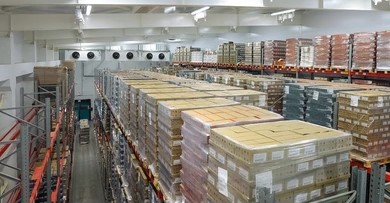
As global temperatures rise, the reliability of the cold-chain—the temperature-controlled supply chain used to preserve food—is becoming increasingly compromised. Cold-chain failures, especially in low-resource or warmer regions, are leading to a spike in foodborne illnesses due to the growth of bacteria, parasites, and toxins in improperly stored food products.

Causes
- Heatwaves and Rising Ambient Temperatures: Overburden refrigeration systems during transport, storage, or at points of sale.
- Infrastructure Limitations: Power outages, lack of refrigerated transport, and poor facility maintenance contribute to breakdowns.
- Improper Handling: Lack of food safety training in warm regions where cooling is vital but inconsistently applied.
- Climate Disasters: Floods and storms can disrupt cold-chain logistics and cause spoilage.
- Growth of Food Delivery Apps: Extended delivery times without proper temperature monitoring can result in food contamination.
Common Foodborne Pathogens Involved
- Salmonella
- Listeria monocytogenes
- Escherichia coli (E. coli)
- Campylobacter
- Vibrio species (in seafood)
Symptoms of Foodborne Illness
- Nausea, vomiting, abdominal pain
- Diarrhea (sometimes bloody)
- Fever and dehydration
- Severe cases may lead to kidney failure, neurological damage, or death (especially in vulnerable populations)
Diagnosis
- Stool Culture and PCR Tests: Identify the specific pathogen causing illness
- Food History Investigation: Trace-back analysis of recent food sources and possible storage failures
- Public Health Surveillance: Cluster outbreaks are tracked and linked to failed refrigeration in the supply chain
Management and Prevention
- Emergency Rehydration and Antibiotics: Supportive care for most foodborne infections
- Cold-Chain Monitoring Technologies: Use of temperature loggers, smart sensors, and blockchain for tracking food storage conditions
- Food Safety Education: Training for food handlers, retailers, and transport personnel
- Investment in Infrastructure: Improve cold storage capacity and backup power systems in vulnerable areas
Prognosis
Most cases of foodborne illness resolve with supportive care, but cold-chain-related outbreaks in tropical or developing areas can lead to severe illness or widespread epidemics if uncontained.
Support and Resources
- World Health Organization (WHO) Food Safety Guidelines
- FAO Cold Chain Development Toolkit for Agro-Food Systems
- National Food Safety Authorities and Local Health Departments
- Mobile apps for consumers to check food safety and expiry conditions