


Overview
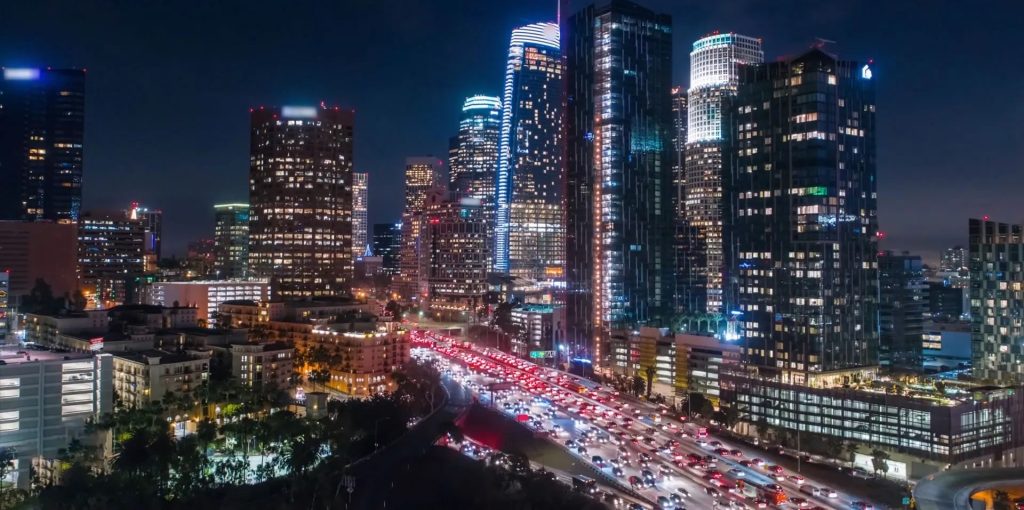
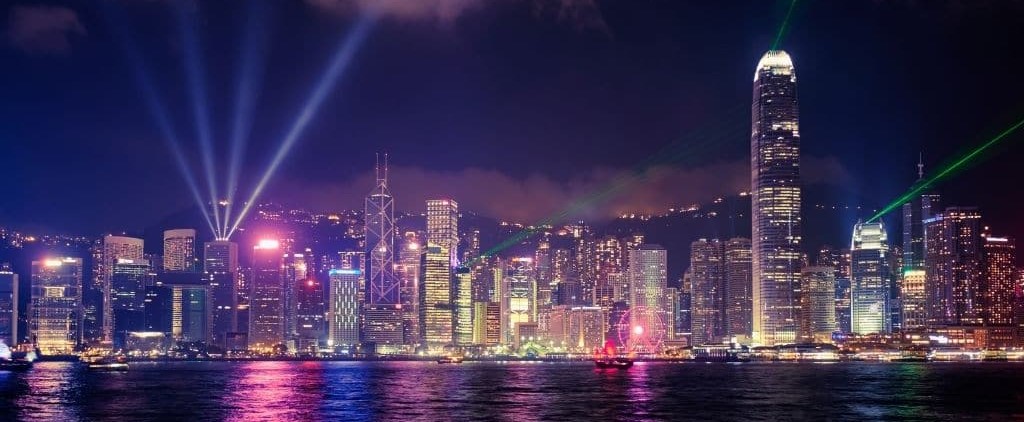
Urban light pollution—caused by excessive artificial lighting in cities—is increasingly recognized as a major disruptor of the human circadian rhythm, the body’s natural 24-hour sleep-wake cycle. Constant exposure to bright lights at night, including blue light from screens, streetlights, and billboards, suppresses melatonin production, leading to sleep disorders, metabolic dysfunction, and mental health issues.
Causes
- Overuse of Artificial Lighting: Streetlamps, traffic lights, illuminated buildings, and neon advertisements
- Indoor Light Spillover: LED screens, night-time device use, and inadequate light shielding in homes
- Blue Light Exposure: Smartphones, tablets, and computers emit short-wavelength light that strongly affects circadian regulation
- 24/7 Urban Lifestyle: Shift work, night commuting, and late-night entertainment
Health Effects
- Insomnia and Sleep Fragmentation
- Delayed Sleep Phase Syndrome (DSPS): Sleep and wake times shift later than normal
- Daytime Fatigue and Poor Concentration
- Mood Disorders: Increased risk of depression, anxiety, and irritability
- Metabolic Dysfunction: Disruption in glucose regulation, weight gain, and risk of Type 2 diabetes
- Cardiovascular Strain: Elevated nighttime heart rate and blood pressure due to poor sleep
- Hormonal Imbalance: Suppressed melatonin affects cortisol and reproductive hormones
Affected Populations
- Urban Residents: Especially those living near highways, commercial centers, or industrial zones
- Night Shift Workers: Healthcare, transport, factory, and service workers
- Children and Adolescents: Sensitive to screen light; often exposed to late-night devices
- Elderly Individuals: More prone to circadian desynchronization and its health consequences
Diagnosis
- Sleep Pattern Analysis: Actigraphy or sleep diary to track rhythm disturbances
- Melatonin Testing: Salivary or serum levels show suppression from light exposure
- Polysomnography: Overnight sleep studies in cases of severe disruption
- Mental Health Assessment: Screening for depression or anxiety related to sleep loss
Treatment and Management
- Light Hygiene Practices:
- Dim indoor lighting after sunset
- Avoid screens 1–2 hours before bedtime
- Use blackout curtains or eye masks
- Blue Light Filters: Install on devices or use blue-light blocking glasses
- Melatonin Supplementation: Under medical guidance for temporary support
- Behavioral Therapies: CBT-I (Cognitive Behavioral Therapy for Insomnia)
- Environmental Policy Changes: Smart lighting systems, light curfews, and downward-facing streetlights
Public Health Implications
- Increased burden of chronic sleep disorders in urban populations
- Reduced productivity, learning capacity, and quality of life
- Higher risk of accidents due to sleep deprivation
- Disruption of ecological systems—wildlife and plants also suffer circadian disturbance
Global Trends
- Cities like New York, Tokyo, Mumbai, and Shanghai report some of the highest levels of night-time light pollution
- WHO and sleep health organizations now consider circadian disruption a global public health concern