


Overview
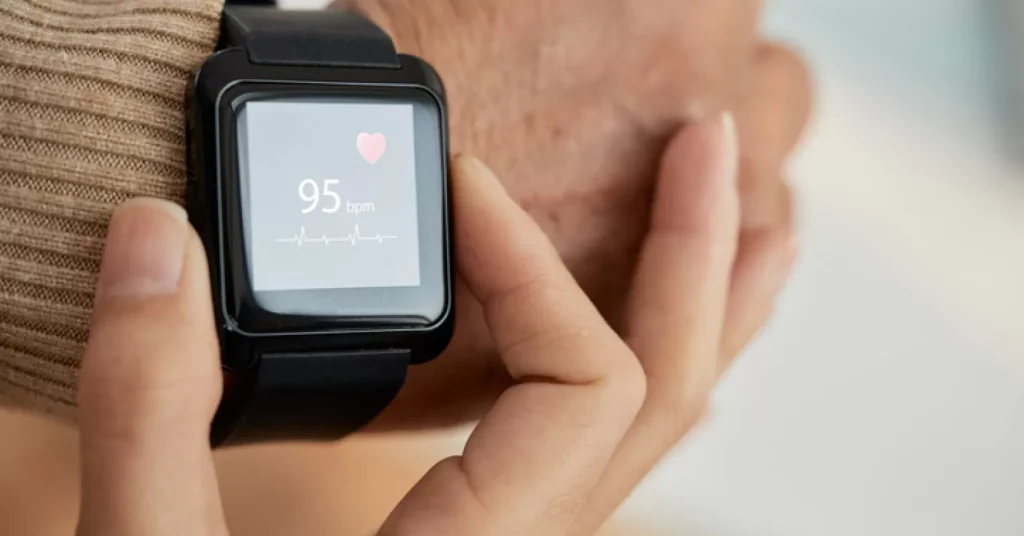
Smartwatch-induced health anxiety refers to a growing psychological issue where individuals become excessively worried or obsessed with biometric data from wearable devices. While these devices offer useful health insights, they can trigger compulsive checking, misinterpretation of normal variations, and anxiety, especially among users prone to health concerns.
Causes
- Constant exposure to heart rate, sleep, or oxygen level data
- Misinterpretation of normal fluctuations as signs of illness
- Pre-existing health anxiety or hypochondriasis
- Over-reliance on wearable health trackers
- Lack of medical context for interpreting data
Symptoms
- Obsessive checking of smartwatch health metrics
- Anxiety about minor changes in heart rate or sleep scores
- Frequent doctor visits without clinical symptoms
- Sleep disturbances due to device feedback
- Avoidance behavior (e.g., exercise avoidance due to fear of heart spikes)
Diagnosis
- Clinical evaluation by a psychologist or psychiatrist
- Use of screening tools for health anxiety (e.g., HAQ, SHAI)
- Patient history including wearable device usage patterns
- Ruling out physical illness that could explain perceived symptoms
Treatment
- Cognitive Behavioral Therapy (CBT) for health-related anxiety
- Psychoeducation about normal physiological variability
- Limiting or disabling constant health notifications
- Digital detox or reducing screen time
- In severe cases, anti-anxiety medications
Prognosis
- Good with appropriate psychological support
- Symptoms typically improve with therapy and reduced device dependency
- Unmanaged anxiety may worsen over time and impact quality of life
Prevention & Control
- Public education on responsible use of health wearables
- Manufacturers adding alerts to reduce over-monitoring behavior
- Encouraging users to consult healthcare providers for interpretation
- Mental health screening for frequent wearable users