


Overview
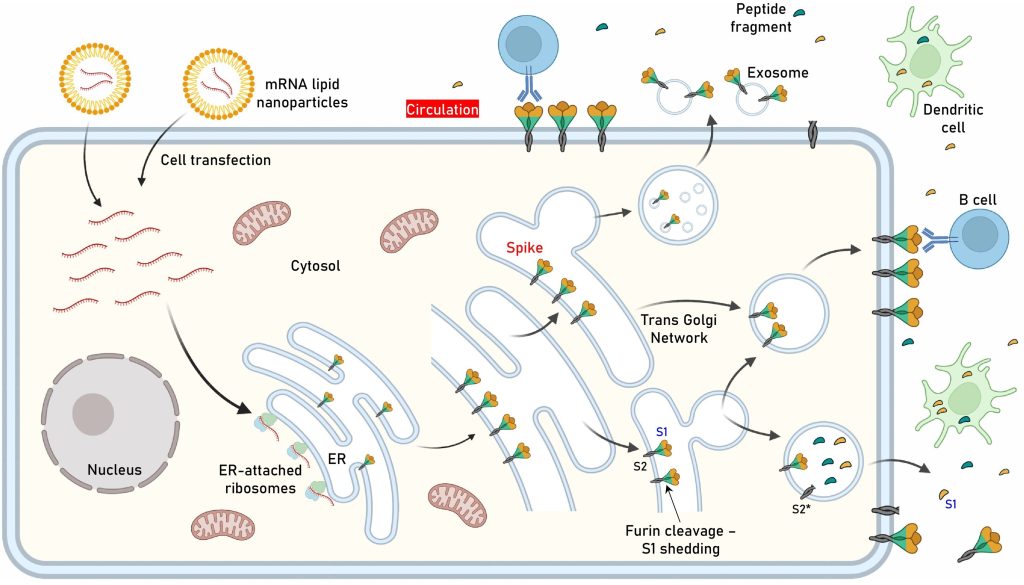
Rare hyper-immune reactions to mRNA boosters refer to exaggerated immune responses occurring in a small number of individuals following administration of mRNA-based COVID-19 booster vaccines. These reactions go beyond typical side effects and may mimic autoimmune conditions or involve multi-system inflammation. Though extremely rare, such cases are closely monitored by health agencies to ensure vaccine safety and guide risk mitigation.
Causes
- Individual genetic or immunologic susceptibility
- Overactivation of innate or adaptive immune pathways
- Molecular mimicry triggering autoimmunity
- Prior exposure to the virus or vaccine affecting immune memory
- Underlying undiagnosed immune disorders
Symptoms
- High fever, persistent fatigue
- Myalgia (muscle pain), arthralgia (joint pain)
- Skin rashes or hives
- Heart inflammation (myocarditis or pericarditis)
- Neurological symptoms like tingling or weakness
- Multi-system inflammatory symptoms similar to autoimmune flare-ups
Diagnosis
- Clinical evaluation of symptom onset post-booster
- Blood tests to detect inflammatory markers (CRP, ESR)
- Autoantibody screening (ANA, etc.)
- ECG, echocardiogram, or cardiac MRI for suspected myocarditis
- Neurological assessments if neuroinflammatory symptoms occur
- Exclusion of other infections or conditions
Treatment
- Supportive care for mild cases (rest, hydration, antipyretics)
- Anti-inflammatory medications like NSAIDs or corticosteroids
- Immunomodulatory treatments in severe autoimmune-like reactions
- Hospitalization for myocarditis, neurological symptoms, or systemic inflammation
- Close monitoring and follow-up with immunology or rheumatology specialists
Prognosis
- Most individuals recover fully with timely medical care
- Rare cases may require long-term follow-up for autoimmune complications
- Risk of recurrence is low, but future vaccine decisions may be individualized
- Continued surveillance helps inform future booster safety
Prevention & Control
- Pre-vaccination screening for known immune conditions or prior reactions
- Post-vaccination observation and early reporting of unusual symptoms
- Educating healthcare providers and the public about rare but treatable events
- Ongoing research to refine vaccine formulations and identify at-risk groups
- Transparent public health communication to maintain trust and awareness