


Overview
Noise-induced cardiovascular disease refers to heart and blood vessel problems triggered or worsened by long-term exposure to chronic environmental noise. Common sources include traffic, industrial machinery, airplanes, and urban construction. Research increasingly shows that such noise is not just a nuisance—it can significantly increase the risk of hypertension, heart attacks, stroke, and arrhythmias.

Causes
Prolonged exposure to environmental noise impacts the cardiovascular system by:
- Activating the stress response, increasing cortisol and adrenaline levels
- Disrupting sleep patterns, impairing heart recovery overnight
- Causing inflammation and oxidative stress in blood vessels
- Leading to high blood pressure and vascular dysfunction
- Increasing sympathetic nervous system activity, putting strain on the heart
Common Sources of Harmful Noise Exposure
- Road traffic and highways
- Airports and air traffic noise
- Railways and subways
- Industrial zones or construction sites
- Loud workplaces or urban housing environments
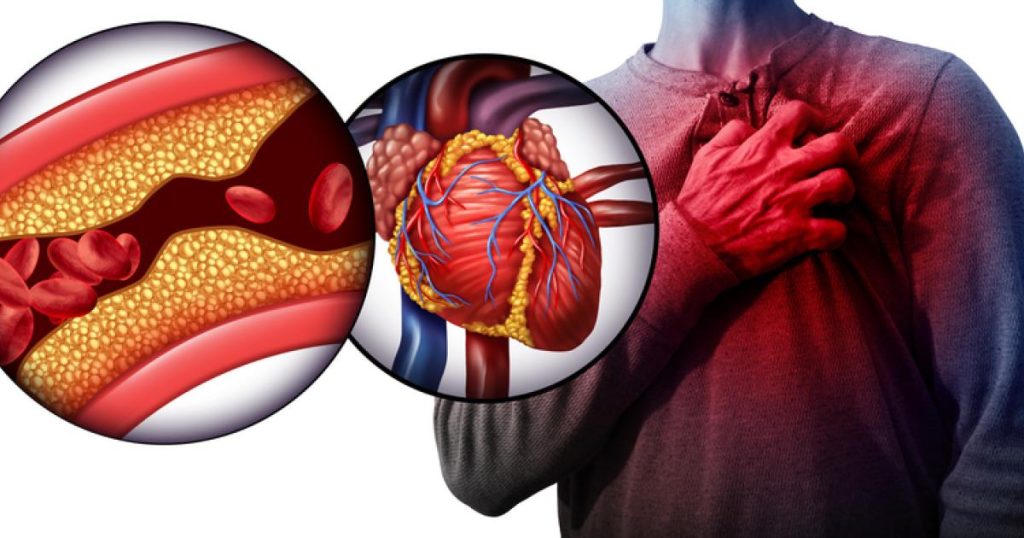
Symptoms and Risks
Noise exposure may not cause immediate symptoms but leads to increased risks of:
- Hypertension (high blood pressure)
- Ischemic heart disease
- Arrhythmias
- Heart attacks and strokes
- Sleep disorders, which worsen cardiovascular risk
- Anxiety and mental stress that indirectly harm heart health
Diagnosis
There is no direct test for noise-induced cardiovascular disease, but it may be considered when:
- A patient has unexplained high blood pressure or heart disease
- They live in or work in high-noise environments
- Risk factors persist despite a healthy lifestyle
Prevention and Management
- Reduce exposure by using soundproof windows, earplugs, and noise barriers
- Advocate for noise regulation policies and urban noise mapping
- Use white noise machines or sleep aids to combat sleep disturbances
- Maintain a heart-healthy lifestyle: exercise, diet, and stress management
- Take prescribed medications to control blood pressure and heart risk
- Promote quiet zones around homes, hospitals, and schools
Public Health Impact
- The World Health Organization identifies noise as a major environmental health risk
- Millions are affected, especially in urban settings with poor noise regulation
- Low-income and marginalized communities often bear the brunt of exposure
- Chronic noise contributes to a silent epidemic of stress-related heart disease
Prognosis
While noise exposure can increase long-term cardiovascular risk, early detection and lifestyle changes can greatly reduce harm. Removing or minimizing the source of exposure is crucial.