


Overview
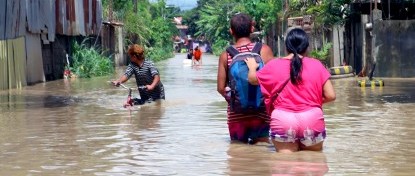
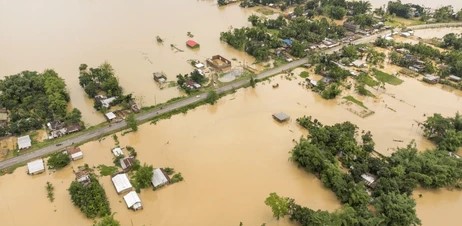
Leptospirosis is a bacterial infection that resurfaces in many urban areas following heavy rainfall and flooding. Caused by the Leptospira bacteria, it is spread through water contaminated with the urine of infected animals, especially rodents. In recent years, climate change and poor drainage systems have contributed to the increased frequency and severity of urban outbreaks.
Causes
Leptospirosis outbreaks after urban flooding are primarily caused by:
- Contaminated floodwaters, often mixed with sewage and rodent urine
- Open wounds or mucous membranes coming into contact with infected water
- Poor sanitation and drainage systems in densely populated urban zones
- Exposure to infected soil, especially during cleanup efforts after flooding
Symptoms
Symptoms usually appear within 5 to 14 days after exposure and can range from mild to severe:
- High fever and chills
- Headache
- Muscle aches, especially in calves and lower back
- Nausea, vomiting, and diarrhea
- Red eyes and rash
- In severe cases (Weil’s disease):
- Jaundice
- Kidney and liver failure
- Hemorrhaging
- Meningitis
- Respiratory distress
Diagnosis
- Blood tests (e.g., Leptospira IgM ELISA, PCR)
- Urine culture or other bacterial tests
- Diagnosis can be delayed if symptoms mimic other tropical illnesses like dengue or malaria
Treatment
- Antibiotics such as doxycycline or penicillin are effective if given early
- Severe cases may require hospitalization, IV fluids, and organ support
- Early intervention greatly reduces complications and mortality
Prevention
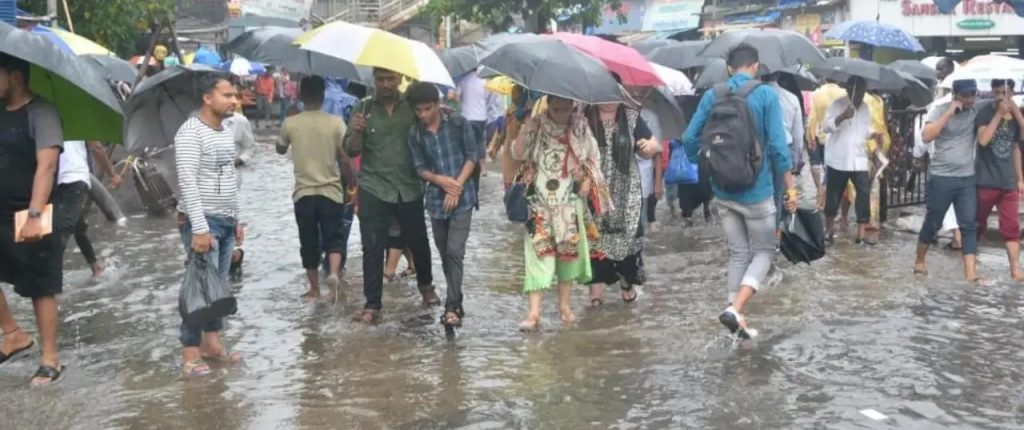
- Avoid wading through floodwaters, especially with open cuts or broken skin
- Wear protective footwear and gloves during cleanup or relief efforts
- Ensure safe drinking water by boiling or using water purifiers
- Control rodent populations and improve waste disposal
- Vaccination is available for animals and in some high-risk occupational settings
Public Health Impact
- Leptospirosis is now considered a climate-sensitive disease, with urban flooding increasing its spread
- Outbreaks often strain health systems during disaster response periods
- Affects vulnerable communities with poor infrastructure the most
Prognosis
Most patients recover fully with timely treatment, but delayed care in severe cases can lead to organ failure or death. Early diagnosis and awareness in flood-prone areas are essential.